Wastewater Treatment: Monitoring Different Types of Methane Emissions At Sewage Treatment Facilities
To demonstrate the effectiveness of CH₄ monitoring in wastewater biogas generation operations, in 2022 QLM collaborated with a large UK-based water utility, trialling the Quantum Gas Lidar at the largest sewage treatment works in their territory.
Deployment at Height at Sewage Works
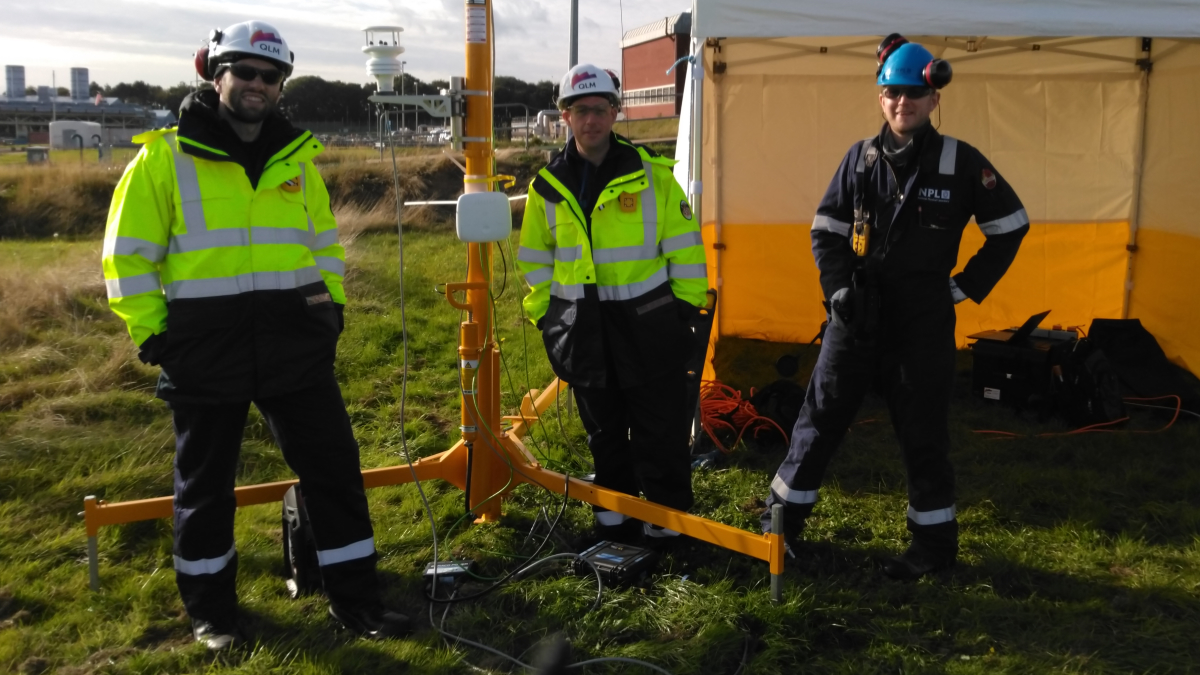
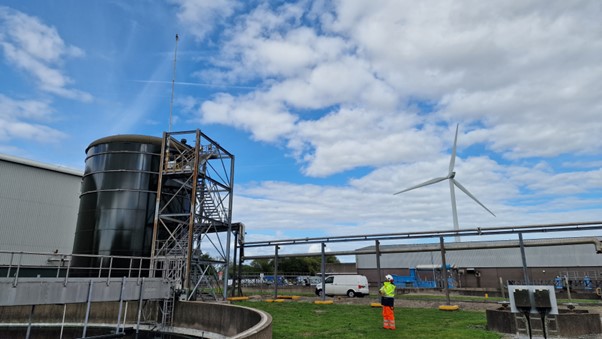
The Quantum Gas Lidar was deployed at height, on a stairway gantry leading to the roof of a tank not associated with the biodigestion site. This gantry was chosen due to the excellent field of view it would provide over the roofs and walls of the biodigester tank array, as well as several of the other water treatment assets, without encroaching on hazardous areas surrounding the assets, and allowed for almost all of the potentially leaking infrastructure to be surveyed multiple times during the trial. The intention of the deployment was to detect any methane emissions at the site and prioritise their repair, and to evaluate how effectively the QLM equipment could detect, pinpoint and quantify methane emissions among the large and complex infrastructure.
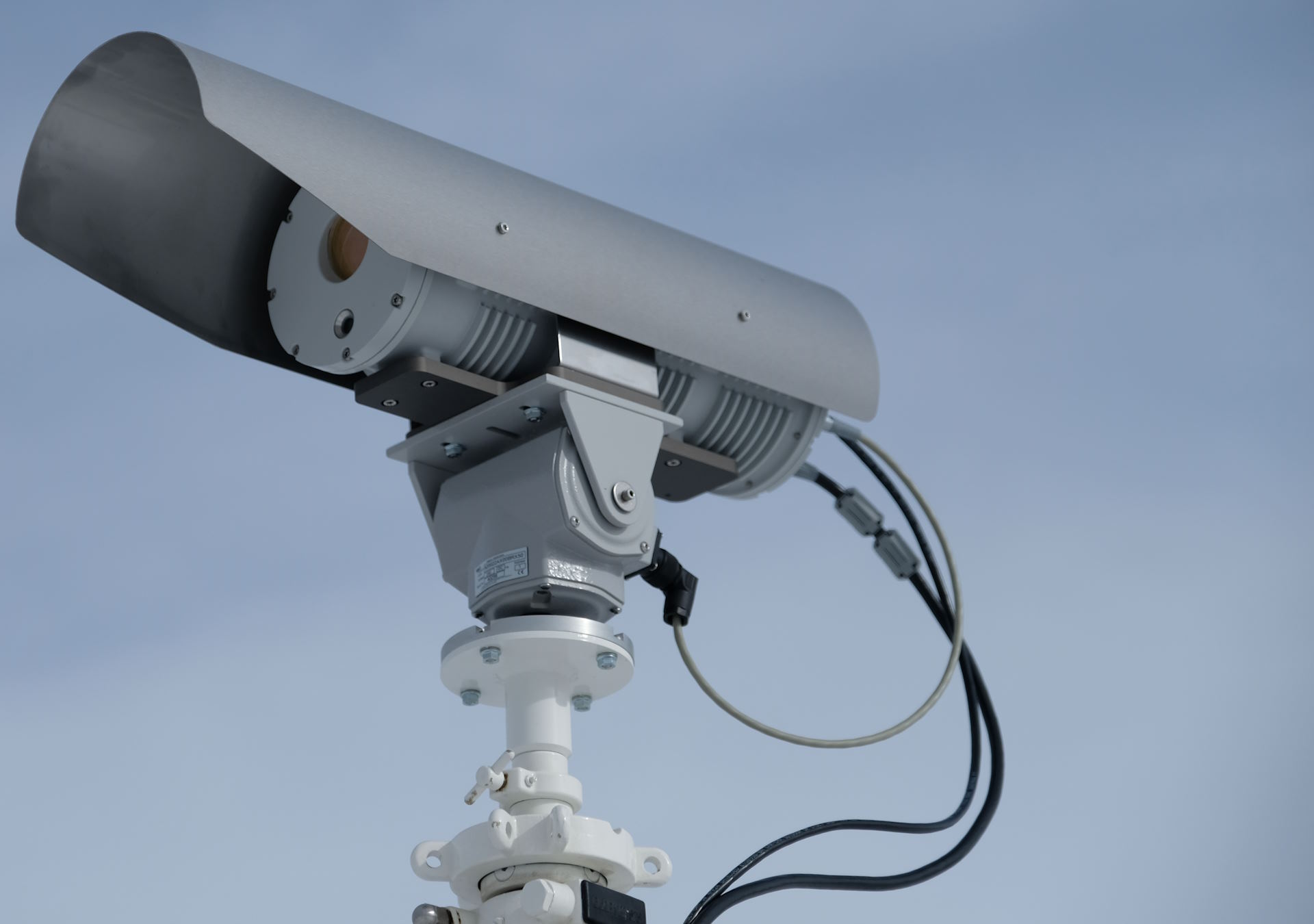
The QLM Quantum Gas Lidar deployed on a mast on the stairway gantry ay the site, granting unrestricted view of the digester array.
Fugitive Emissions From Digester Tank Roofs
The roofs of the digester tanks are frequently clogged with equipment, and the constant potential for presence of methane makes them hazardous zones on which it is more difficult to deploy monitoring equipment. Emissions were found on two of the tanks, both of which remained persistent, but varied in rate, throughout the survey. Tracking the variation in rate of the leak allows for cross-referencing with the equipment activity logs to look for components that may be the source of the emission.
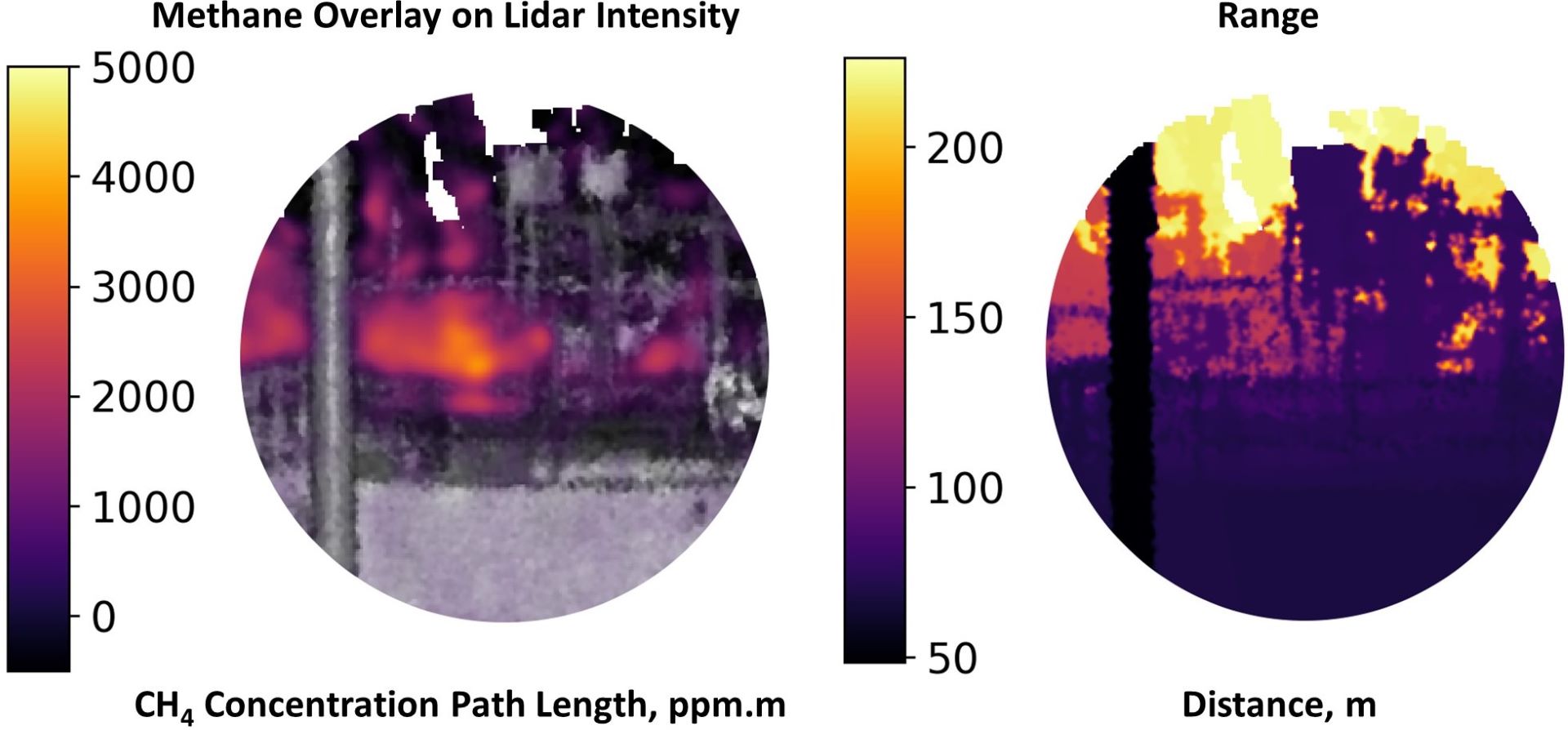
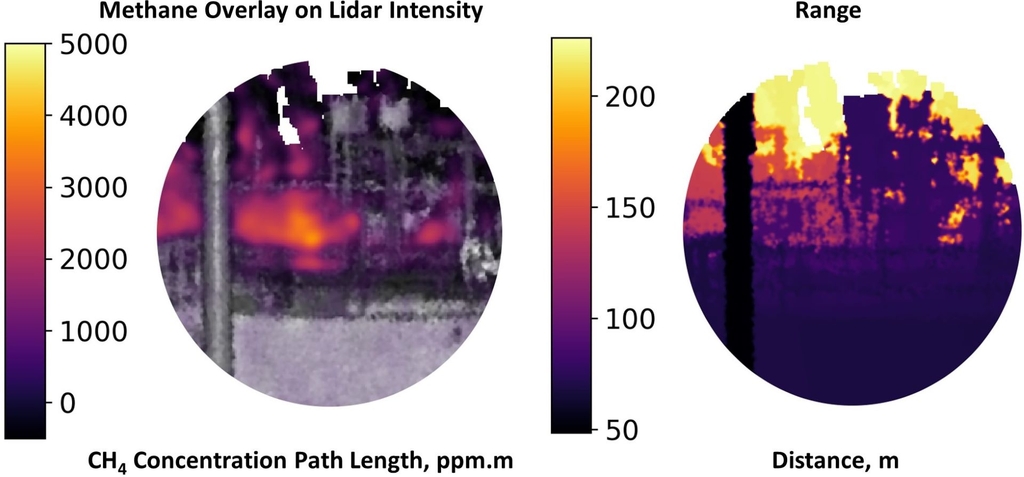
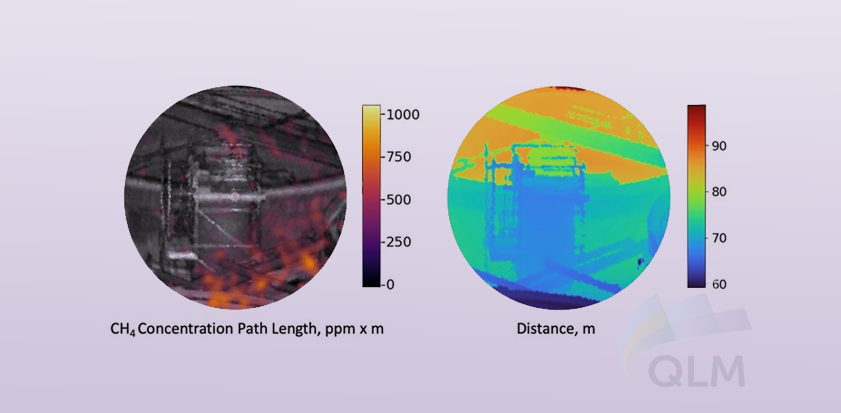
A persistent emission from the roof of one of the digester tanks at the site. Some blank areas of the view represent ranges beyond the 200 m maximum of the lidar, from which no lidar returns were received.
Fugitive Emissions From Tank Pipework
The digester array pipework comes down from the roof of the tanks and directs the nascent biogas towards the next steps of the process. During this survey, some intermittent leaks were observed in the pipework between the tanks, which can again be cross-referenced with the activity logs of the equipment. Between this and the highly effective localisation of the emission by the lidar, the operator is very effectively directed to the source of the emission.
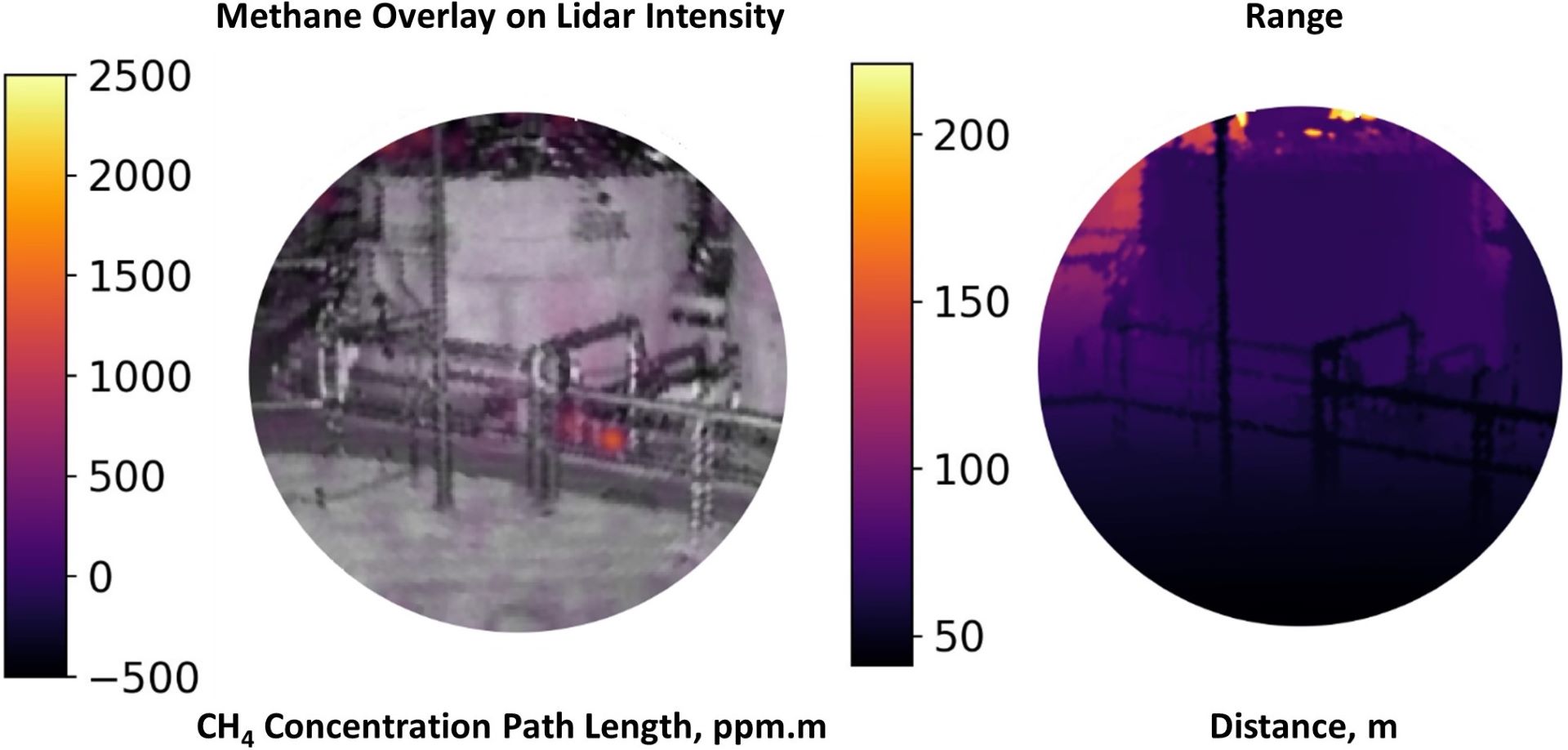
A small, intermittently observed emission from gas transfer pipework around the digestion tanks
Diffuse Emissions from Open Tanks
One of the secondary storage tanks for processed water was open to the atmosphere, and a large, diffuse, delocalised plume of methane was observed rising from inside. Despite not being highly-localised “point” sources of methane, such as the emissions from the pipework, these diffuse emissions could still be quantified using the QLM leak rate calculation algorithms. They also provided useful source material for the refinement of the algorithm for quantifying diffuse sources, improving the quality of the lidar performance in future modes.
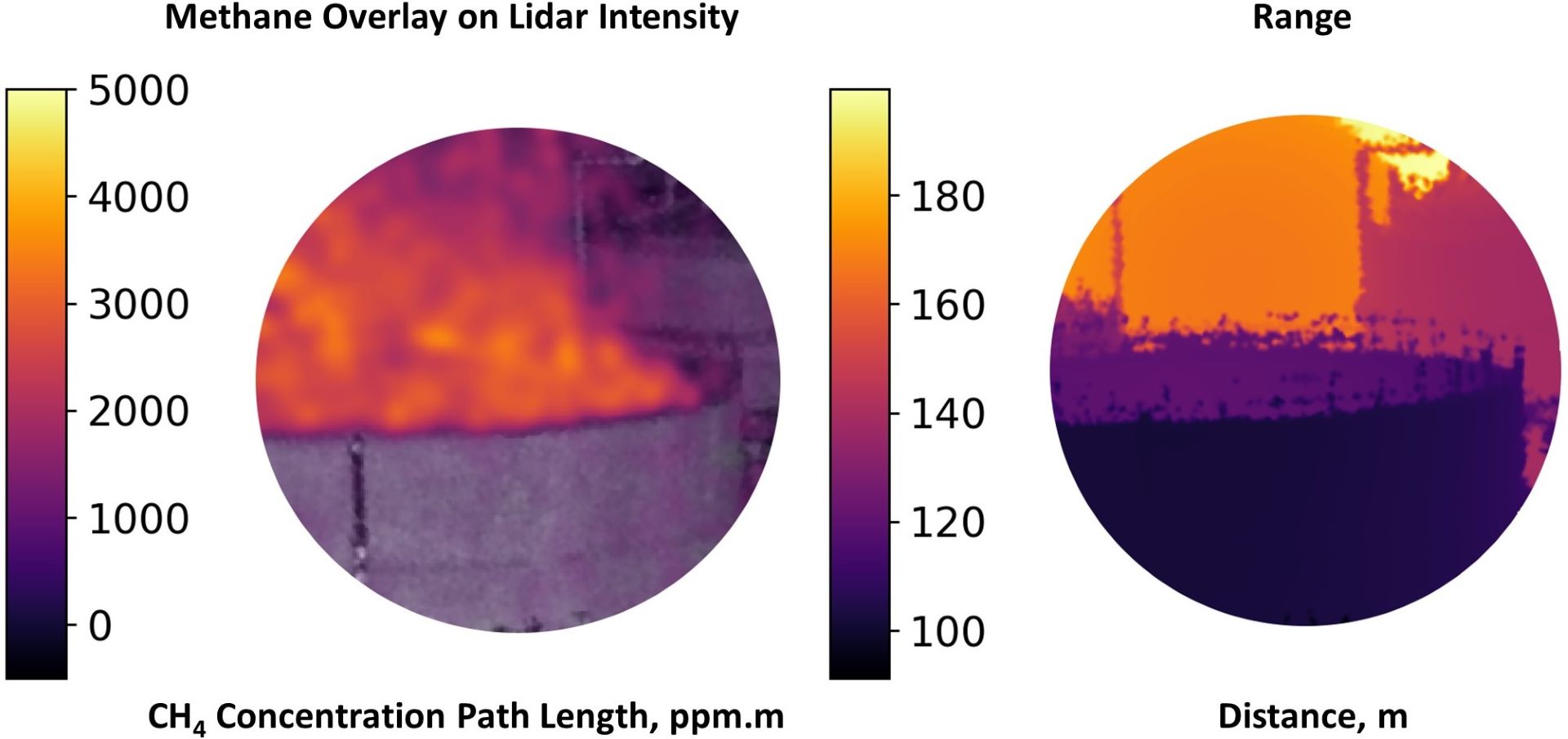
A diffuse emission from an open-top effluent water tank
Conclusions
Over the course of the very successful trial, the QLM quantum gas lidar successfully identified and quantified both known and unknown fugitive emissions from the body and pipe infrastructure of the anaerobic digestion tanks at the client site, as well as diffuse emissions from an open-top tank storing processed water. Sthe client can use the data to remediate emissions in priority according to size, safety, or maintenance concerns. The trial also identified areas for development from automation and end-user flexibility points of view, which have since been incorporated into the commercial release of the lidar.