University of Queensland Study Confirms Methane “Super-Emitter” Detected Using QLM Quantum Gas LiDAR
A landmark study published in Science of the Total Environment has confirmed that abandoned coal exploration boreholes can release greenhouse gases on a scale far greater than previously recognised. Using QLM’s Quantum Gas LiDAR, researchers from the University of Queensland conducted a continuous seven-day survey of a legacy borehole in Queensland’s Surat Basin. The results showed methane emissions equivalent to the annual footprint of 6,500 to nearly 20,000 cars, depending on the calculation method.
Capturing the Invisible
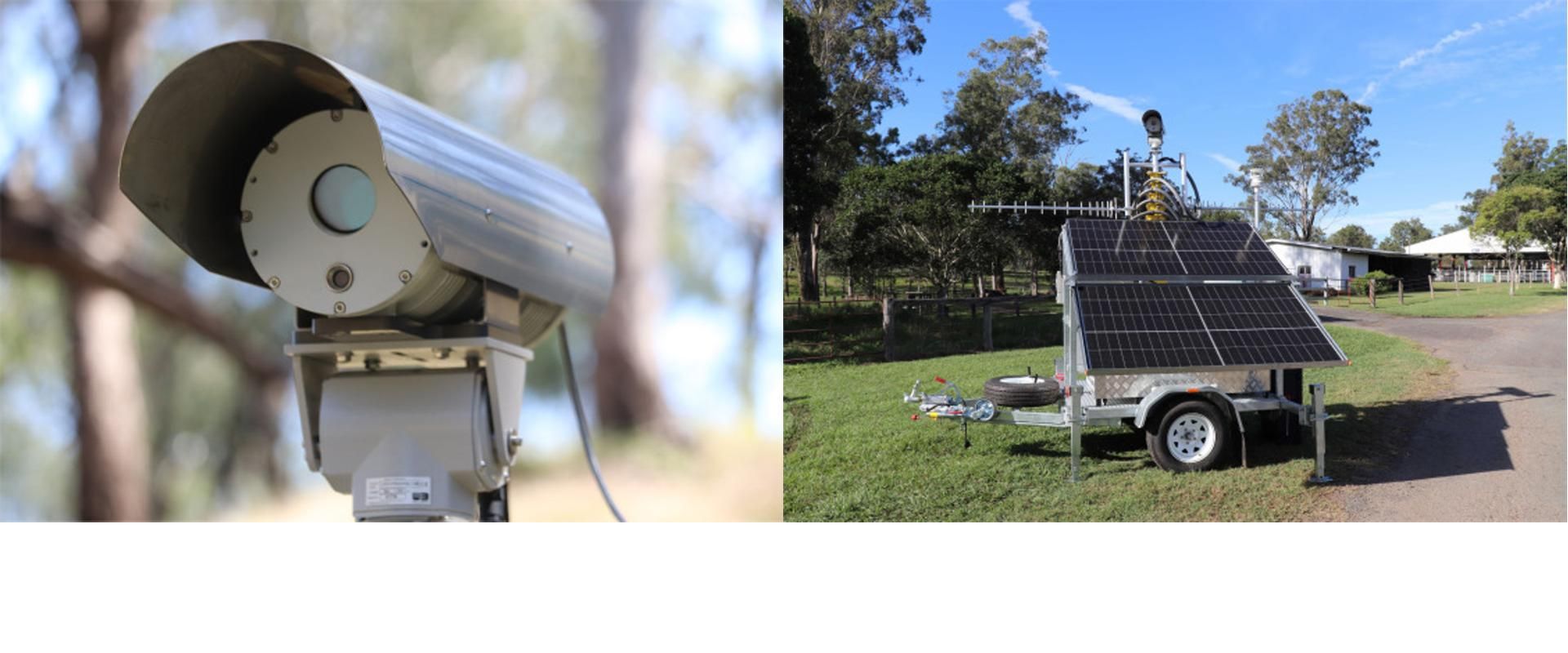
The borehole, known as Coal Hole 1, was monitored around the clock using an autonomous trailer-mounted Quantum Gas LiDAR. The system delivered continuous data, capturing fluctuations that one-off surveys would have missed. Over 1,700 individual measurements revealed that emissions varied dramatically, ranging from 22.8 to 438 tonnes per year depending on conditions.
One striking discovery was the influence of weather: methane emissions correlated strongly with drops in atmospheric pressure, underscoring the need for continuous monitoring to understand dynamic behaviours.
Why It Matters
- Super-emitters: The surveyed borehole emitted methane at rates high enough to be classified as a super-emitter (>25 kg/h).
- Legacy risk: There are an estimated 130,000 abandoned coal exploration bores across Queensland alone, many with uncertain decommissioning quality.
- Global problem: Similar abandoned wells exist worldwide — in the US, UK, and North Sea — suggesting a significant unaccounted source of methane emissions.
- Policy relevance: The findings highlight the urgent need for systematic surveys to measure, characterise, and mitigate emissions from legacy energy infrastructure.
Technology in Action
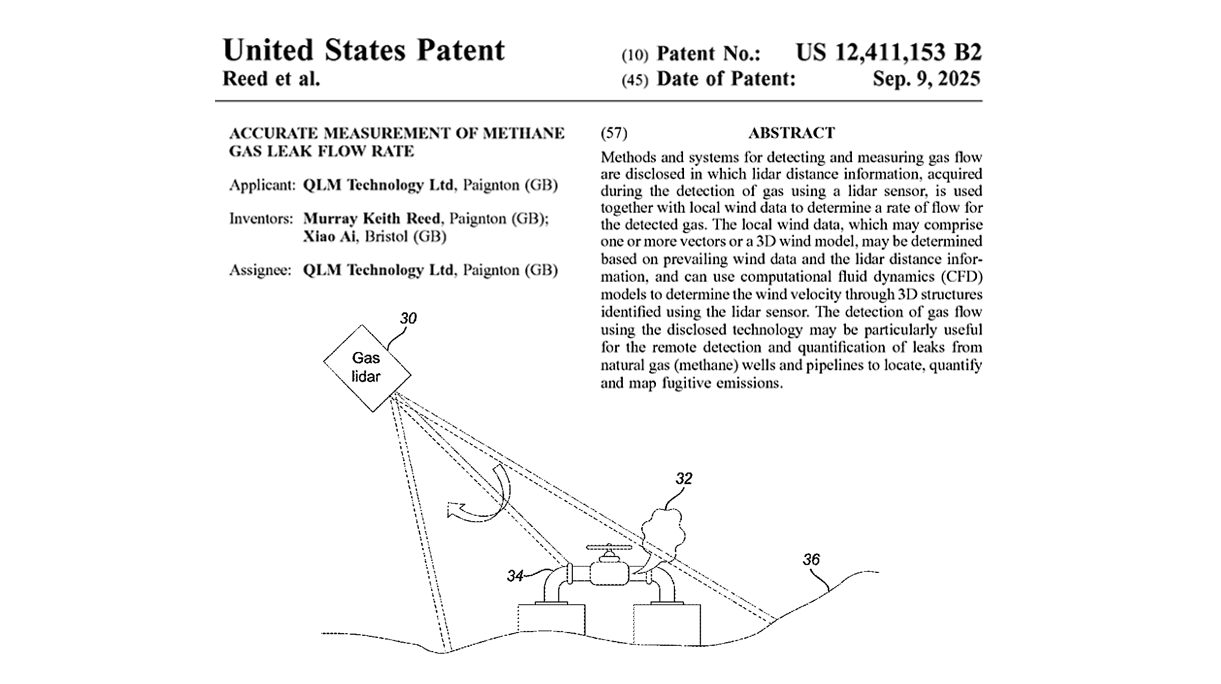
At the heart of the study was QLM’s Quantum Gas LiDAR — a system that combines advanced lidar scanning with gas absorption spectroscopy to deliver 3D visualisations of methane plumes.
Unlike handheld or vehicle-based surveys, the Quantum Gas LiDAR operates continuously, day and night, under changing weather conditions. This reliability was key to capturing the full variability of emissions and providing confidence in the results.
Broader Impact
By turning invisible gases into visible, quantifiable data, this study demonstrates not only the scale of the problem but also the solution. Continuous monitoring enables governments, regulators, and industry to:
Identify hidden sources of greenhouse gas emissions
Prioritise remediation efforts
Strengthen national emissions inventories
Reduce climate impact more rapidly
Looking Ahead
The University of Queensland researchers recommend expanding surveys to a larger sample of boreholes, investigating links with groundwater and geological dynamics, and integrating isotopic analysis to trace the origin of methane. QLM is proud that its technology is enabling such research and is committed to supporting global efforts to monitor and mitigate methane emissions.