QLM Technology Announces New CEO as Paul Hughes Succeeds Murray Reed

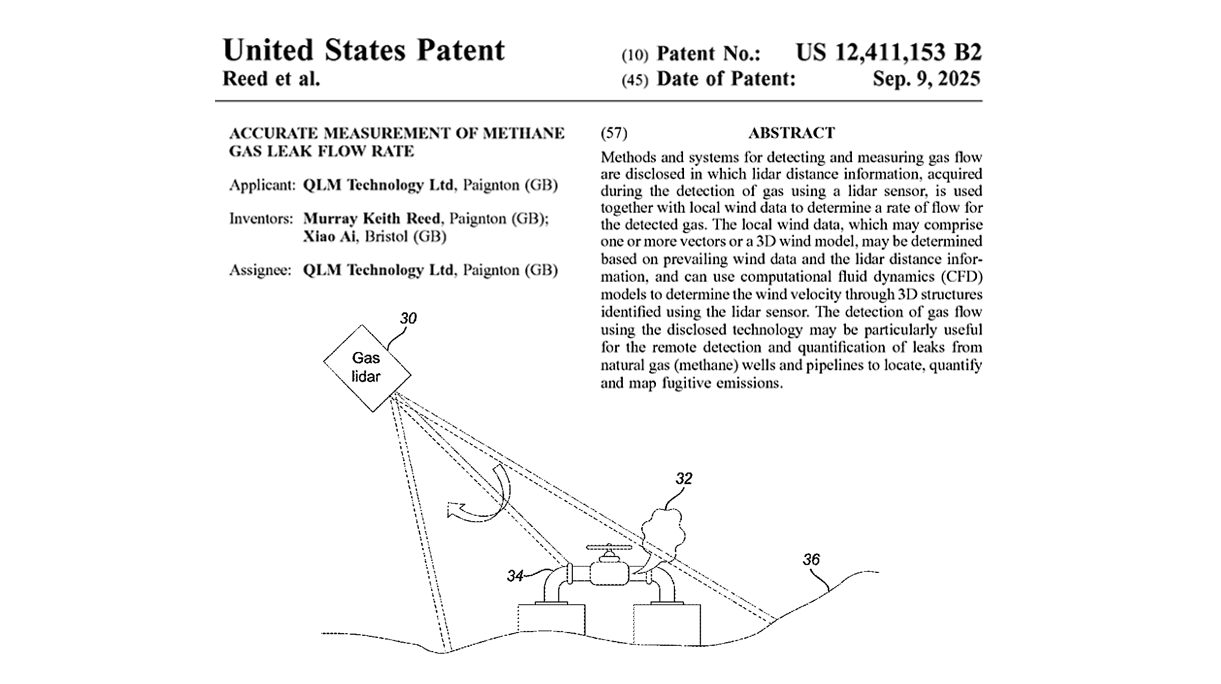
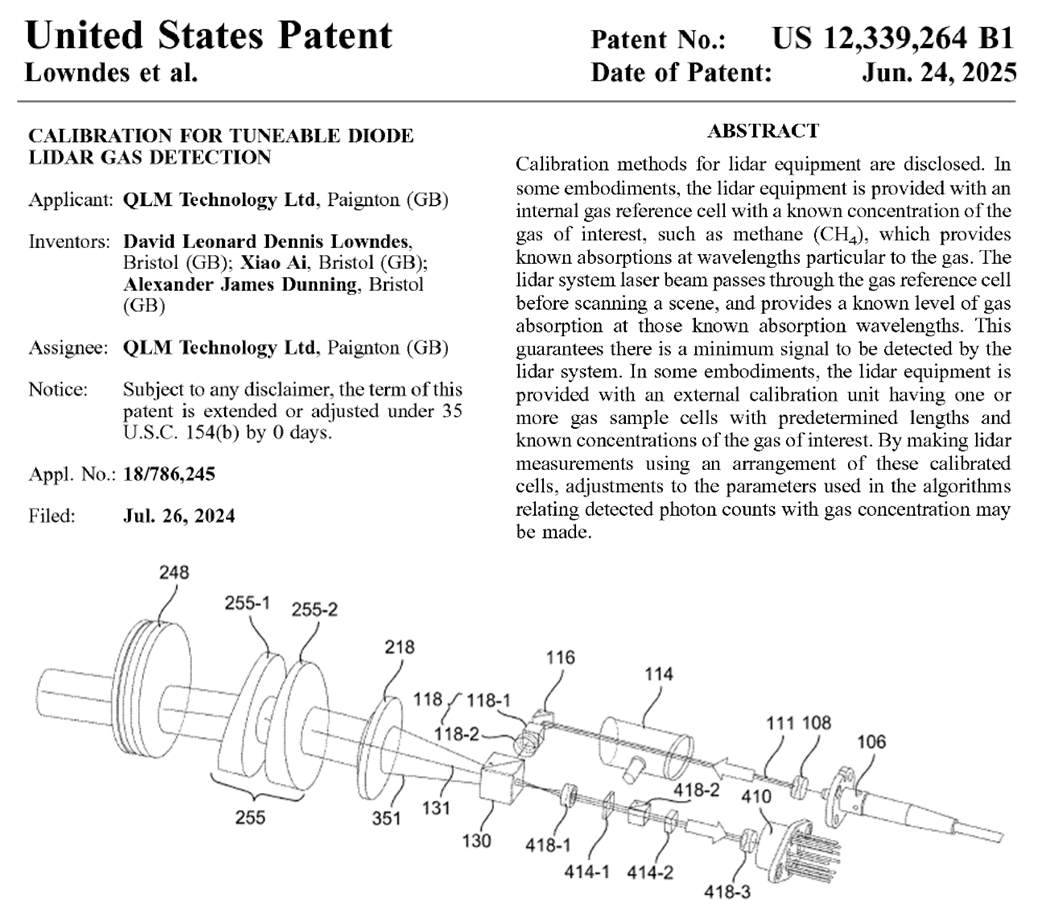
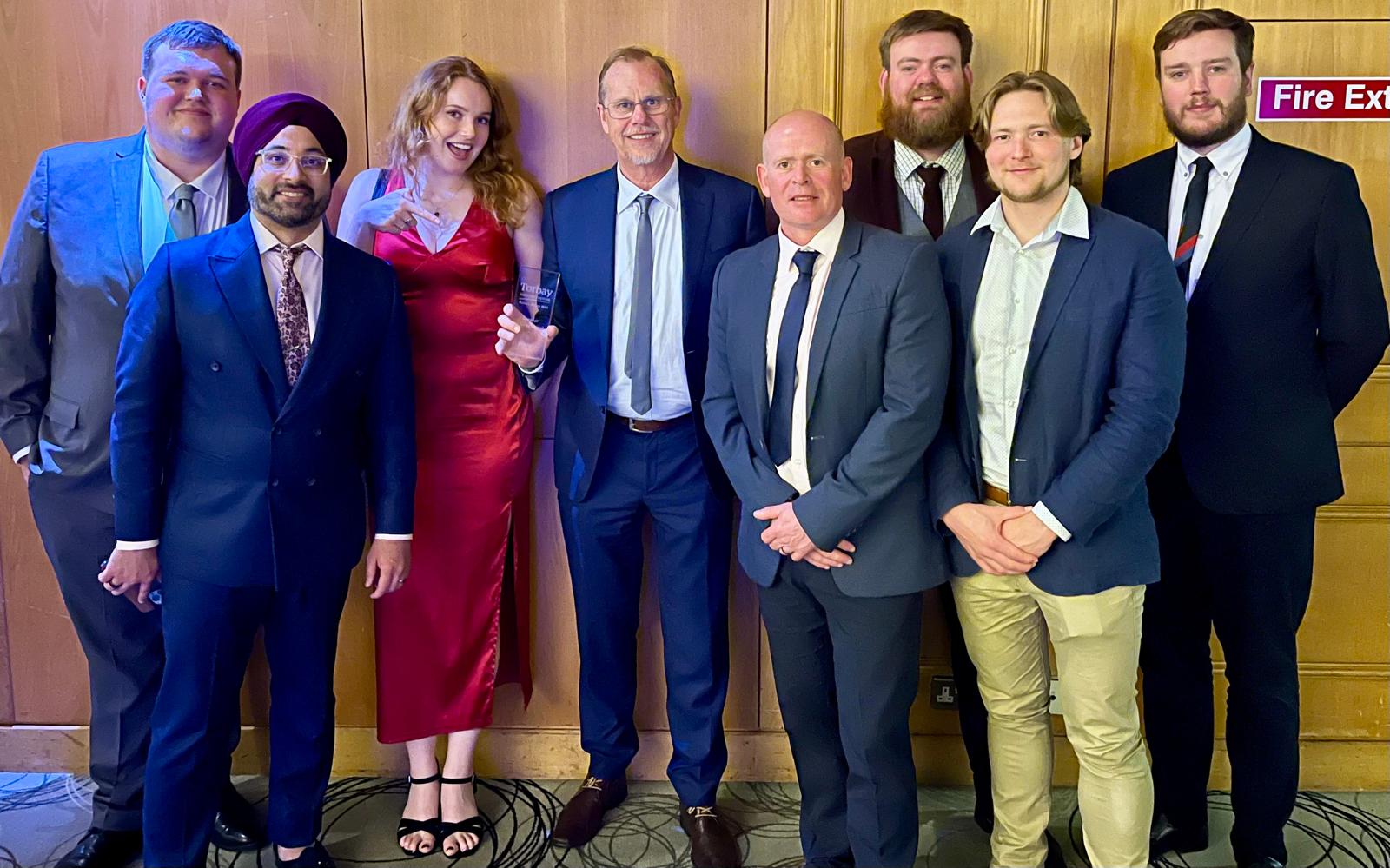
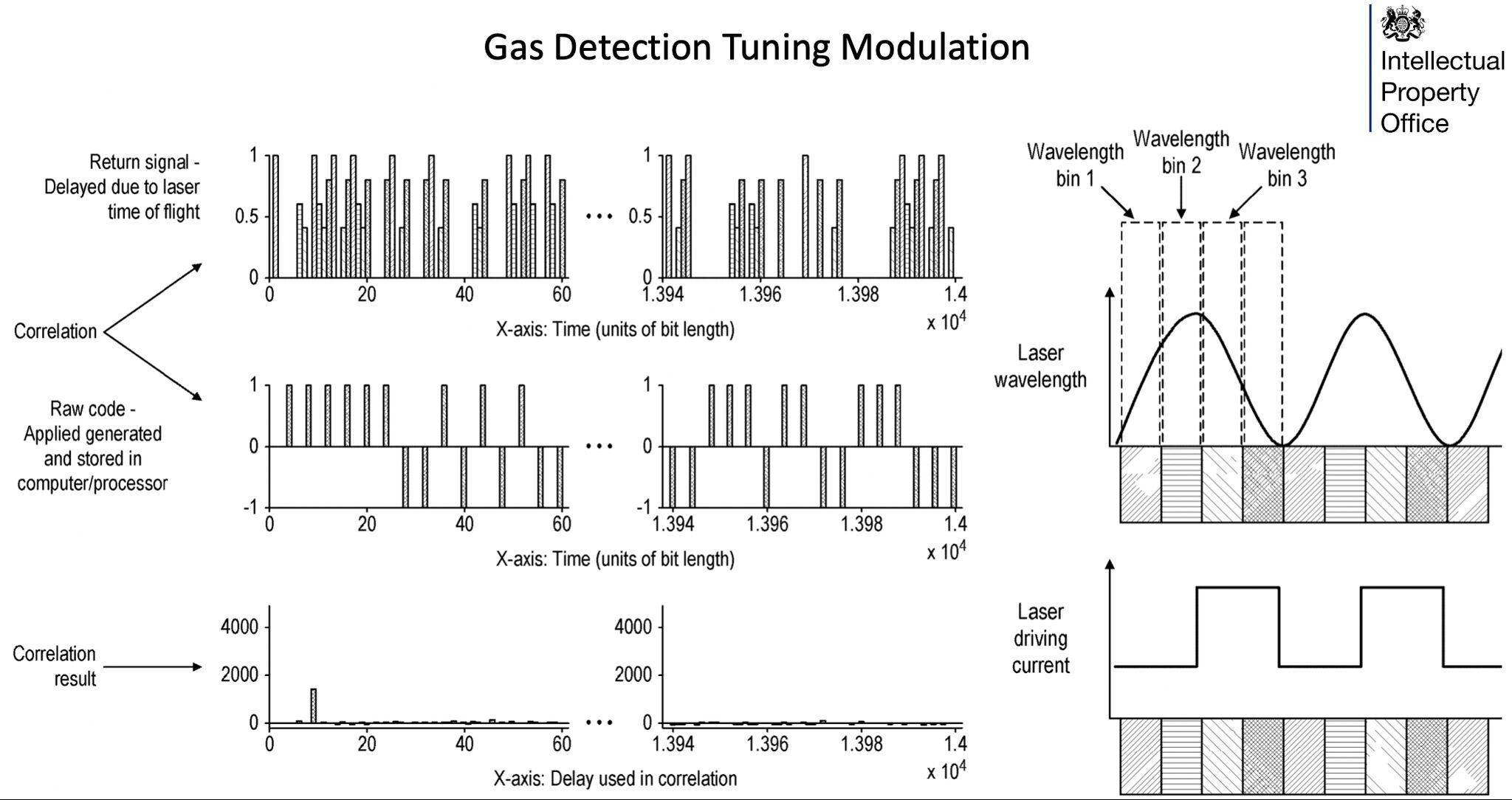
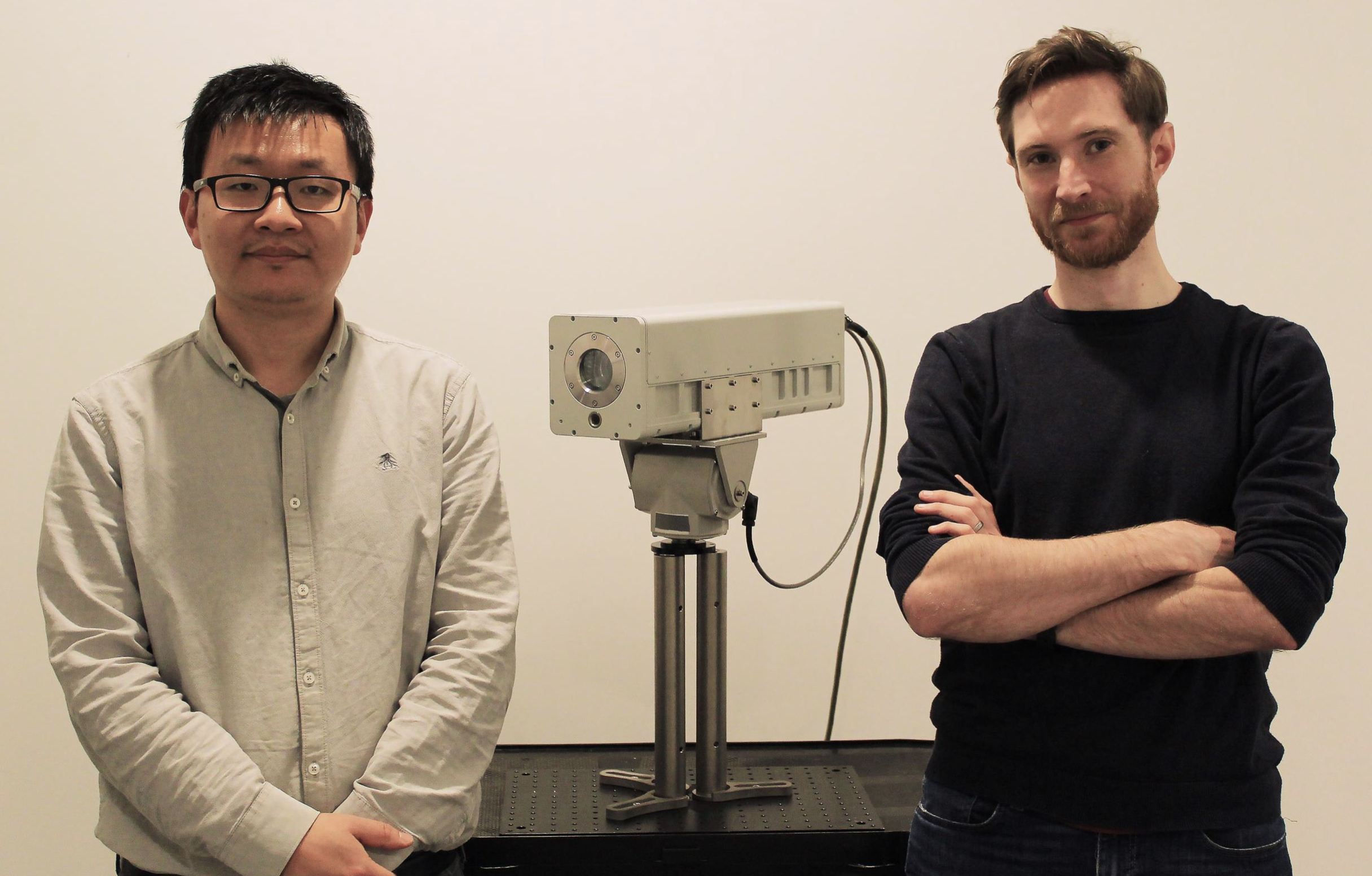
QLM Technology is pleased to announce the appointment of Paul Hughes as its new Chief Executive Officer (CEO), succeeding Murray Reed, who has announced his retirement after more than six years of transformative leadership at the company.Lidar measurement of methane with complex expensive lasers was pioneered by scientists 50 years ago and is still commonly applied from airplanes and large installations. But complex and expensive means these systems only monitor sites and facilities for methane emissions very occasionally, sometimes only for a few seconds every few months. The science has shown that that means most leaks get missed. Finding and stopping the majority of methane emissions will require low-cost simple systems that can be deployed continuously and without expensive operators and data interpreters. That is what QLM have developed our patented single diode laser lidar to do, find every leak every day everywhere. Paul, who has served as Chief Financial Officer (CFO) at QLM for the past two and a half years, will assume the CEO role effective immediately. He will work closely with Murray to ensure a seamless leadership transition.QLM Chairman Bernie Bulkin said Murray, who joined QLM in 2018, had transformed QLM from a research idea into a deep tech quantum innovation company poised to scale globally. Dr Bulkin said that “Murray has helped create at QLM a company with a bold ambition for greenhouse gas continuous monitoring. It has the industry leading technology, integrated team, and global partnerships to deliver that ambition across multiple sectors, including upstream and downstream gas, refining, wastewater, landfills and farming”.Paul joined QLM in 2023 as CFO and has been a Board Director since March 2025. Since joining QLM Paul has been integral to transforming QLM’s go-to-market strategy from product sales to recurring service delivery and is well placed to lead the company through its next scale-up phase. He has extensive executive leadership experience in energy and digital services companies in the UK having worked for organisations including Puma Energy, Vistra and RM.  He holds a degree in economics and a member of the Chartered Institute of Management Accountants and a Chartered Corporate Treasurer.In addition to incoming CEO Paul Hughes, the QLM leadership team includes founder Dr Xiao Ai and Chief Manufacturing Officer Chris Wardle.About QLM TechnologyQLM Technology develops cutting-edge quantum laser imaging solutions for greenhouse gas detection and monitoring. The company’s mission is to provide accurate, scalable, and cost-effective tools to help industries measure, manage, and mitigate methane emissions—enabling a cleaner, more sustainable future.

October 21, 2025

QLM News

Quantum Gas Lidar

University of Queensland Study Confirms Methane “Super-Emitter” Detected Using QLM Quantum Gas LiDAR

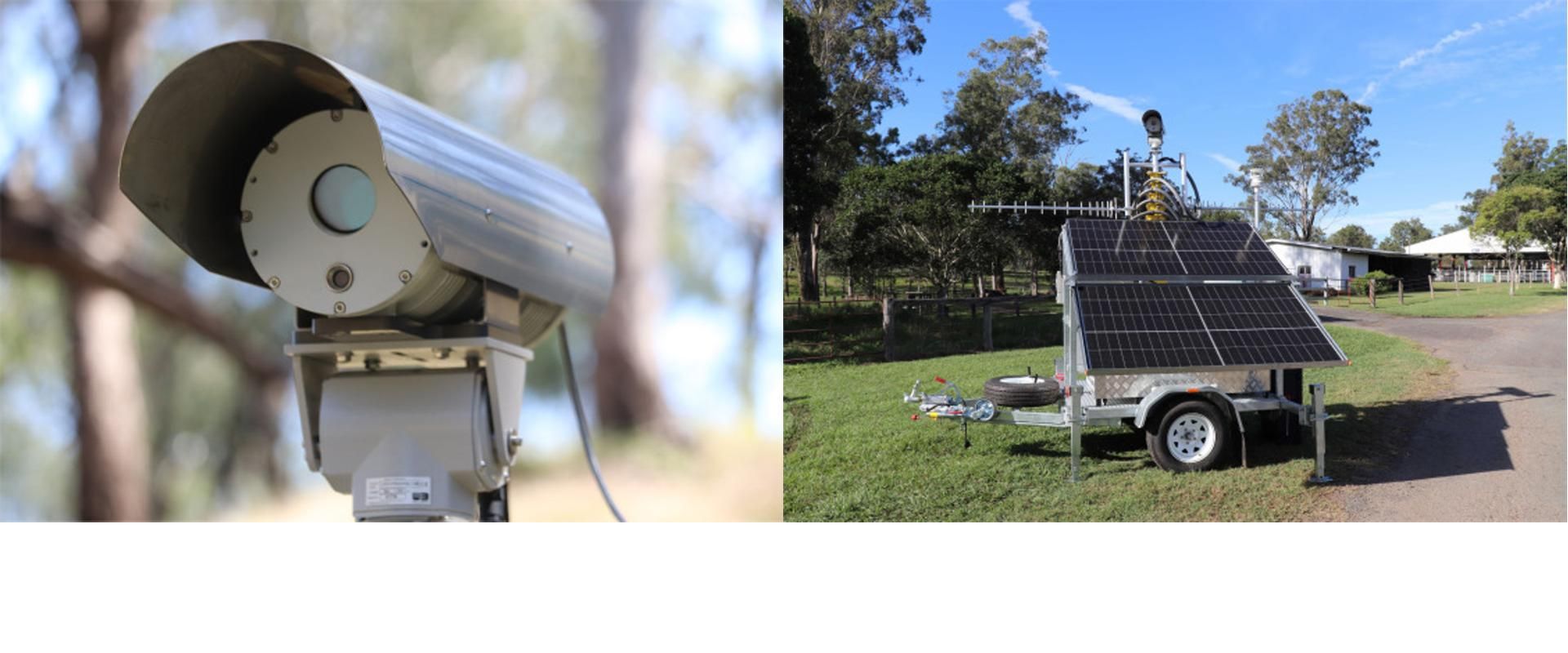
A landmark study published in Science of the Total Environment has confirmed that abandoned coal exploration boreholes can release greenhouse gases on a scale far greater than previously recognised. Using QLM’s Quantum Gas LiDAR, researchers from the University of Queensland conducted a continuous seven-day survey of a legacy borehole in Queensland’s Surat Basin. The results showed methane emissions equivalent to the annual footprint of 6,500 to nearly 20,000 cars, depending on the calculation method.The borehole, known as Coal Hole 1, was monitored around the clock using an autonomous trailer-mounted Quantum Gas LiDAR. The system delivered continuous data, capturing fluctuations that one-off surveys would have missed. Over 1,700 individual measurements revealed that emissions varied dramatically, ranging from 22.8 to 438 tonnes per year depending on conditions.One striking discovery was the influence of weather: methane emissions correlated strongly with drops in atmospheric pressure, underscoring the need for continuous monitoring to understand dynamic behaviours.At the heart of the study was QLM’s Quantum Gas LiDAR — a system that combines advanced lidar scanning with gas absorption spectroscopy to deliver 3D visualisations of methane plumes.Unlike handheld or vehicle-based surveys, the Quantum Gas LiDAR operates continuously, day and night, under changing weather conditions. This reliability was key to capturing the full variability of emissions and providing confidence in the results.By turning invisible gases into visible, quantifiable data, this study demonstrates not only the scale of the problem but also the solution. Continuous monitoring enables governments, regulators, and industry to:Identify hidden sources of greenhouse gas emissionsPrioritise remediation effortsStrengthen national emissions inventoriesReduce climate impact more rapidlyThe University of Queensland researchers recommend expanding surveys to a larger sample of boreholes, investigating links with groundwater and geological dynamics, and integrating isotopic analysis to trace the origin of methane. QLM is proud that its technology is enabling such research and is committed to supporting global efforts to monitor and mitigate methane emissions.

September 10, 2025

methane lidar
Quantum Gas Lidar

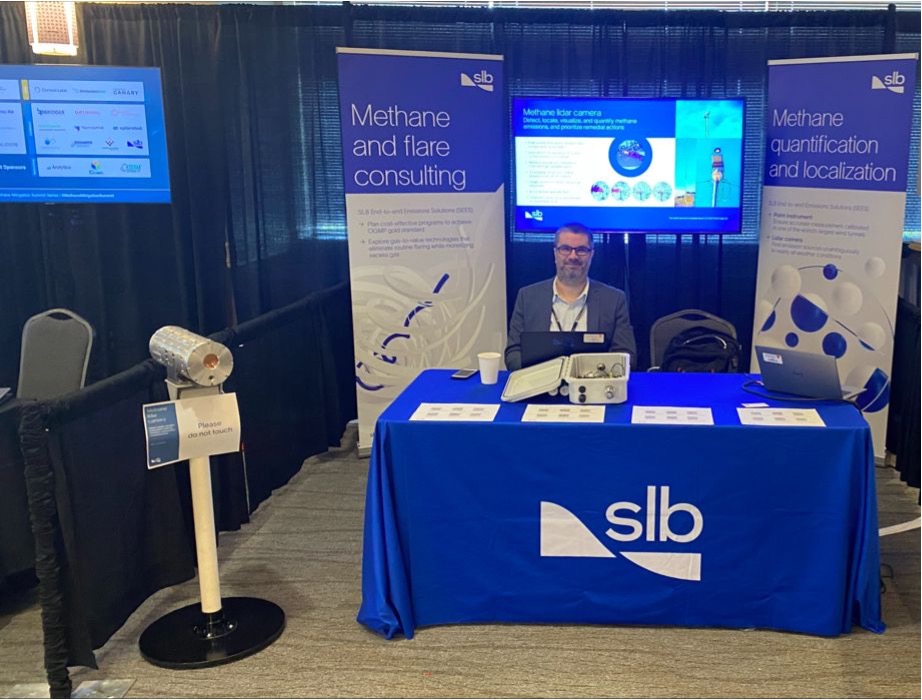
EPA grants SLB approval to deploy QLM Cameras across the oil and gas industry

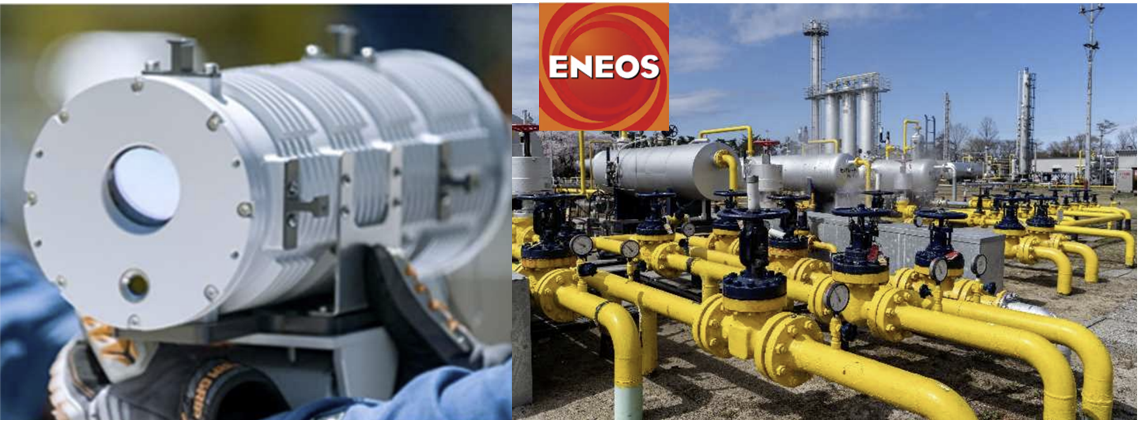
Congratulations to SLB for receiving approval by the U.S. Environmental Protection Agency for using QLM’s Camera for periodic methane monitoring at oil and gas facilities . The EPA has been expanding the use of alternative technologies to make emissions monitoring more accurate, efficient, and scalable. Approving technologies like the QLM camera gives operators more flexibility in how they meet compliance while driving better emissions outcomes. As collaborative and sales channel partners, SLB and QLM provided the EPA with a detailed field deployment plan for using the lidar methane camera along with technical papers, patents, independent field test results and testimony from our customers. We proved to regulators that our cameras can provide contiuous autonomous long-range monitoring with component-level spatial resolution so we can pinpoint fugitive leaks vs. permitted vents and eliminate false positives. We were approved at all leak resolution thresholds, giving operators maxium flexibility to set screening frequency and follow-up requirements, and broadly across the oil and gas sector, including all onshore basins in the US. We’re proud to have supported SLB through their approval process so they can give gas industry operators more accurate and comprehensive data, more efficient inspections, and complete compliance with regulations. Read the full submission here: https://methane.app.cloud.gov/review/104

August 29, 2025

methane lidar
natural gas

Project Canary and QLM Technology Partner to Advance Methane Emissions Visualization and Management Solutions

DENVER — April 22, 2025 — Project Canary, an emissions measurement and reporting platform, and QLM, a pioneering provider of lidar-based methane sensing devices, today announced a strategic partnership to enhance methane monitoring capabilities for utility and local gas distribution companies. This collaboration integrates QLM’s innovative quantum lidar methane camera with Project Canary’s advanced emissions analytics platform. The partnership creates a comprehensive solution delivering data visualization, accurate quantification, and actionable insights for companies seeking to mitigate their environmental impact.QLM’s lidar-based sensing devices, which allow companies to detect and pinpoint otherwise invisible methane emissions, will now seamlessly connect to Project Canary’s analytical software. This integration allows customers to visually identify leaks, quantify emissions, and assimilate measurement data from multiple sources, including aerial, satellite, and other ground-based monitoring systems. QLM has been impressed with Project Canary’s clear leadership and data-driven approach to methane management and mitigation. QLM cites Project Canary’s software platform for its cutting-edge features, robust scalability, and proven track record in the energy sector. The partnership marks Project Canary’s tenth technology integration, giving customers further flexibility to choose the best emissions monitoring solution for their needs.“Our lidar-based technology makes the invisible visible, but turning those visualizations into comprehensive emissions management requires powerful analytics,” said Murray Reed, CEO at QLM. “By partnering with Project Canary, we’re enabling utility companies to not just see emissions but to act on them effectively and meet increasing regulatory requirements.”“This partnership with QLM demonstrates our commitment to integrating best-in-class measurement technologies into our platform,” said Will Foiles, Co-founder and CEO of Project Canary. “The ability to visualize methane emissions adds a powerful dimension to emissions management, giving our utility customers the tools they need to address leaks quickly and efficiently while satisfying both voluntary commitments and regulatory requirements.” The integrated solution is available immediately throughout North America for utility and local gas distribution companies seeking to enhance their return on investment in environmental performance monitoring capabilities.”

April 22, 2025

QLM Expands US Commercial Team

Today we welcome Robby Vaughn to the QLM team as Head of Business Development, Energy, Americas where he will lead these efforts. He brings 20+ years of Technology, Software, Utilities, and Oil and Gas experience to QLM and has worked in technical roles in Upstream Oil and Gas, and commercial and leadership roles for Energy, Technology, and Environmental firms focused on emissions measurement and reduction. He has dedicated his career to adding value to his clients through innovative technology, fit-for-purpose solutions, and passionate customer advocacy and support. Robby was previously at Project Canary, growing their Utility and Canadian Upstream business lines as Director of Sales, and prior to that, was the Director of Business Development and Technical Marketing at Picarro, helping Utility customers to monitor, measure, and reduce natural gas emissions from their distribution systems. This experience in natural gas measurement and quantification is especially relevant to the problems QLM is solving for customers.Robby said, “Rarely do you get an opportunity to work in exactly the field, doing exactly what you want to do, and for exactly the firm you want to work for. I am lucky to find myself in that position with QLM Technology. I believe that we have the most-differentiated technology in the emission-space today and believe that we will change the game for our customers with the most accurate measurement and quantification solution available. QLM's quantum gas lidar system is the emissions localization and quantification solution that the Energy sector has been waiting for.”

April 16, 2024

QLM Exceeds New US EPA Methane Emissions Rule Requirements for Oil and Natural Gas Operations

QLM to Request Approval for its Quantum Gas Lidar as Alternative Technology for Continuous Emissions Monitoring Cardiff, UK, 25 January 2024QLM’s technology demonstrated in unbiased tests against other methane emissions monitors the superior ability to meet new EPA standards. The US EPA has recently published new Final Rules for Oil and Natural Gas Operations that set stringent requirements for continuous methane emissions monitoring and allow operators to use new methane detection technologies to meet them. EPA’s ruling coincides with similar announcements made during the COP28 Conference by the EU, Canada and other nations. QLM’s innovative, patented Quantum Gas Lidar has recently demonstrated this performance at an independently run blind trial at the Methane Emissions Technology Evaluation Center (METEC) in Colorado. Of ten commercial systems tested at METEC, QLM had the best performance in emissions quantification accuracy, source localization, and speed to detect an emission event, and had the second lowest detection limit. The published METEC results show that QLM’s system meets the EPA requirements for continuous emission monitors to be able to report emissions at least every 12 hours and to have a detection threshold with a 90% probability of detection for methane of 0.4 kg/h above a site’s measured baseline emissions. QLM pairs their novel Quantum Gas Lidar monitor with cloud-based analytics and reporting and are deploying full solutions for emissions monitoring in applications including natural gas distribution, biogas production and wastewater treatment. QLM also supplies their Lidar technology to SLB for integration into their multi-sensor cloud reporting platform, exclusively for upstream and midstream oil and gas markets. QLM and SLB are now in the process of gaining USA EPA approval for Quantum Gas Lidar as an Alternative Technology for Continuous Emissions Monitoring.

January 25, 2024

Repsol Sinopec Conducts Field Trial with QLM and SLB

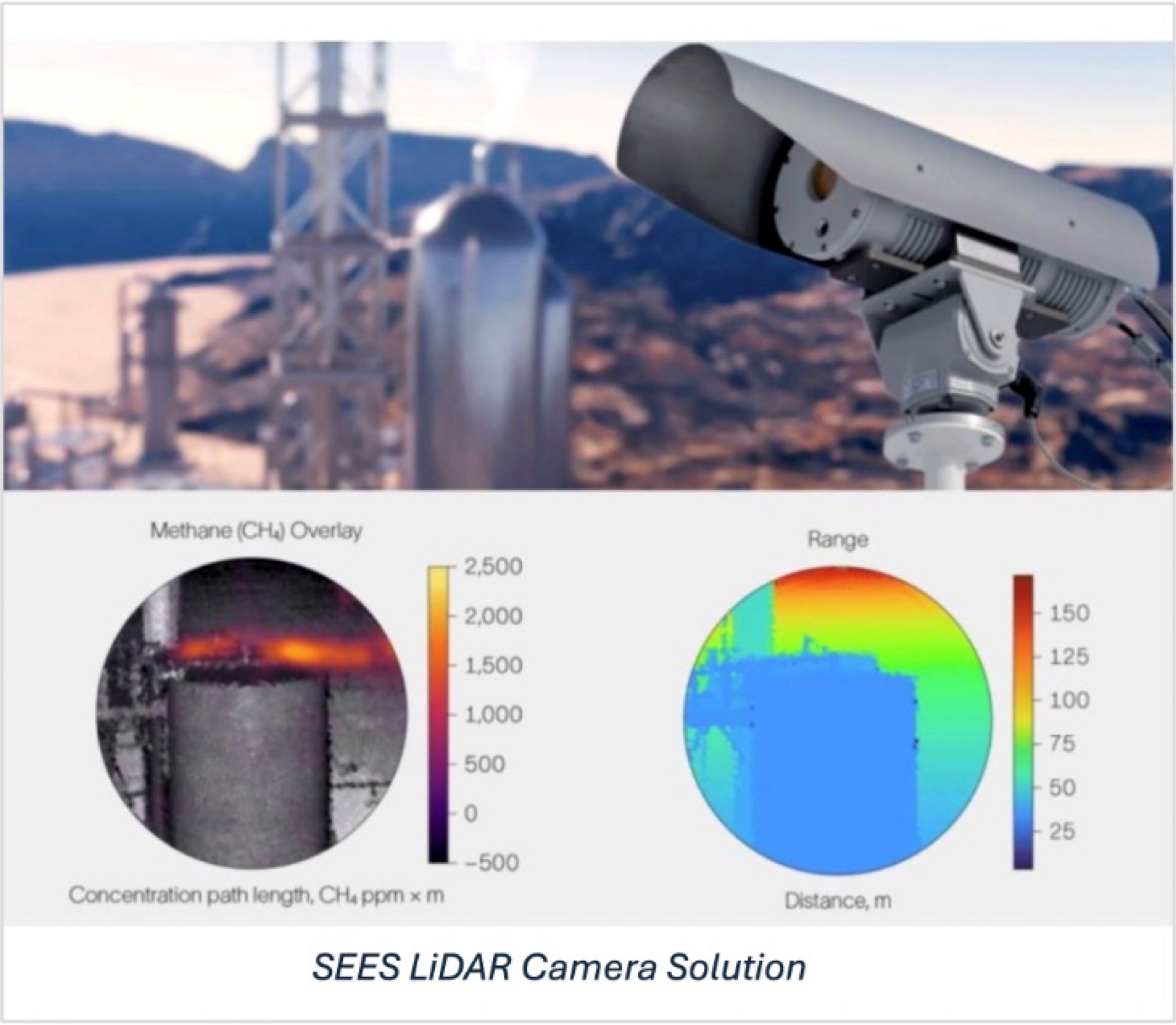
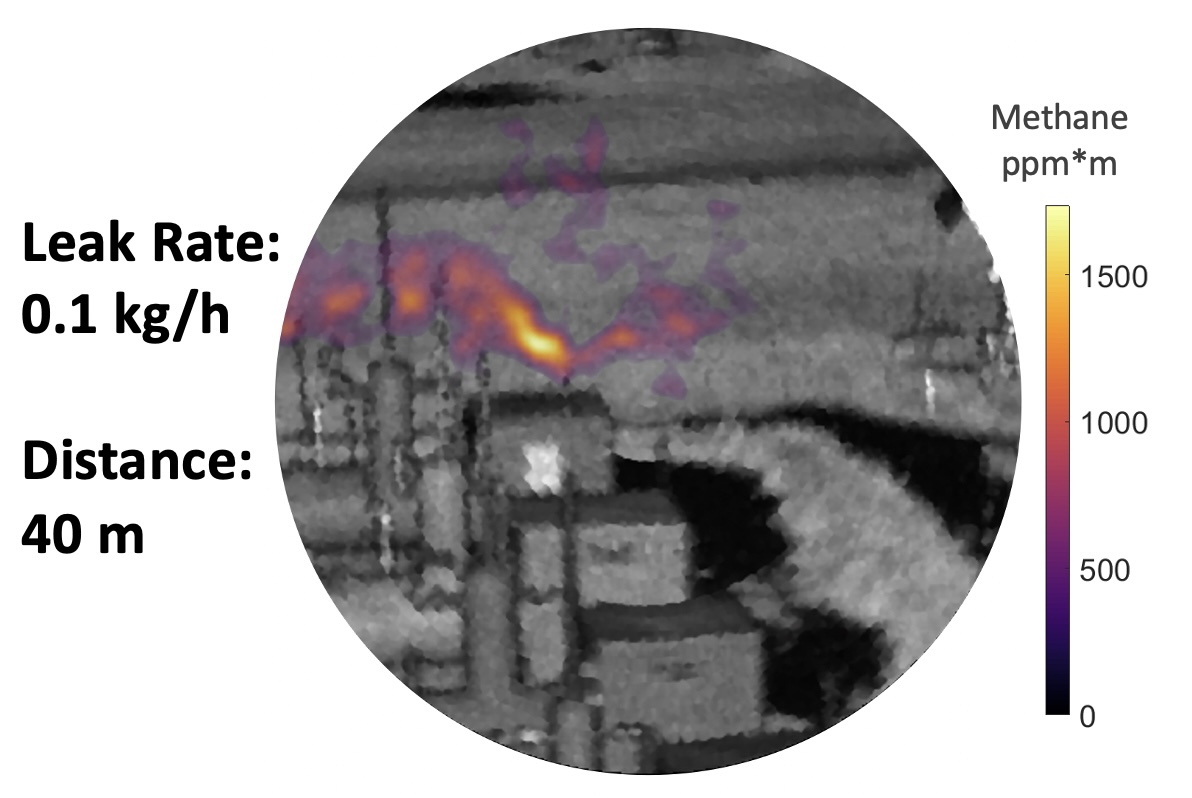
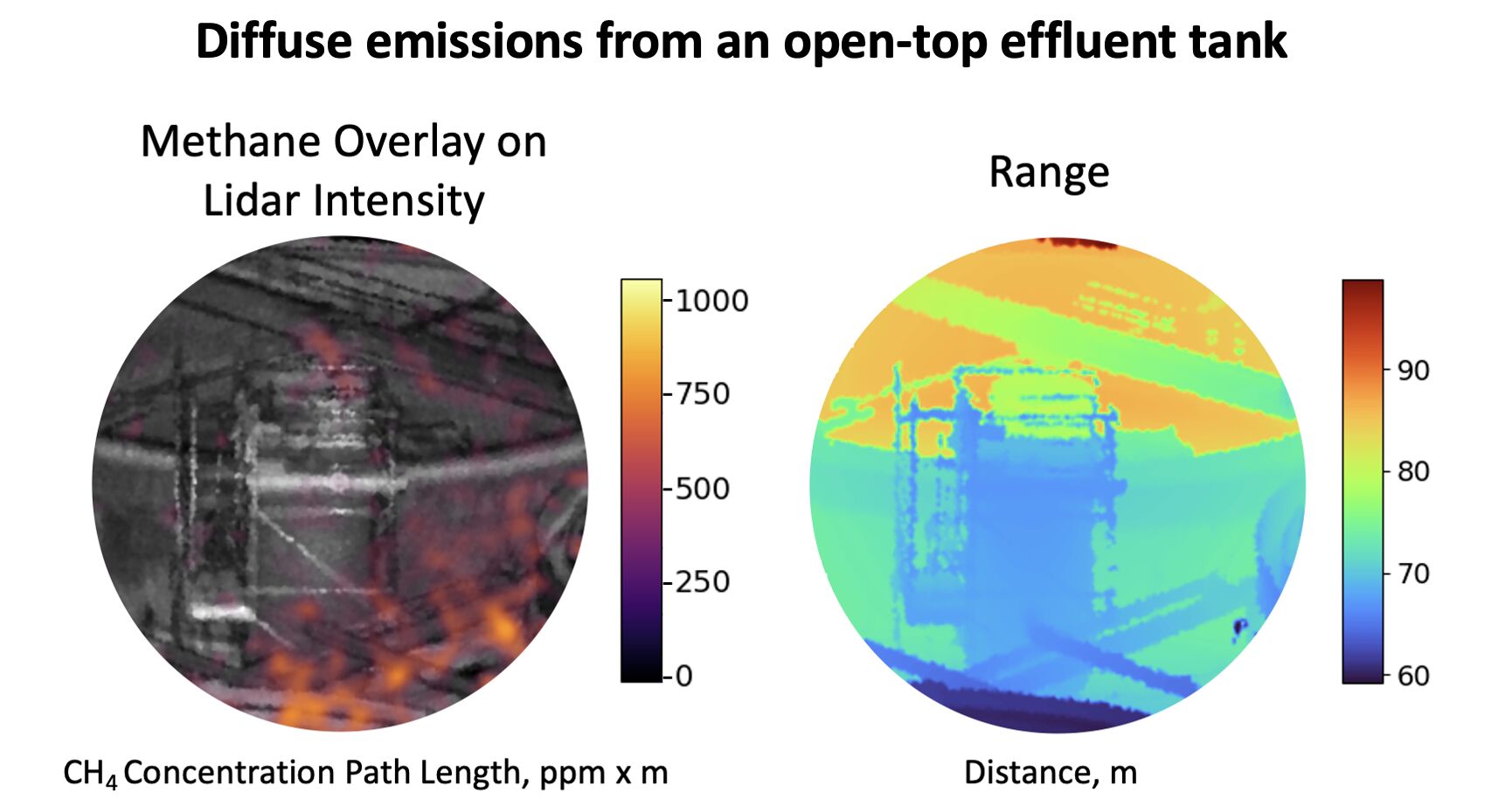
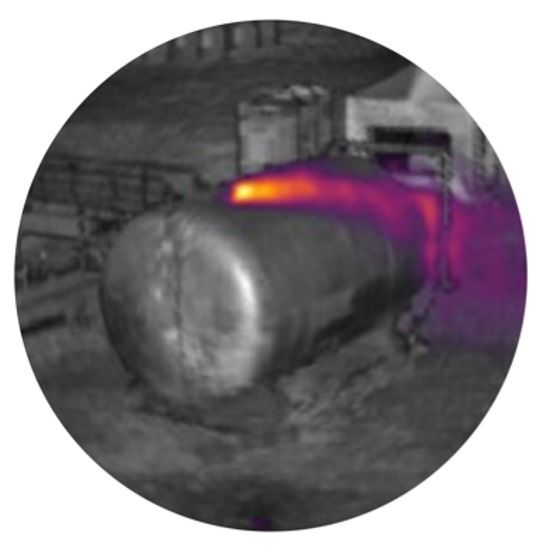
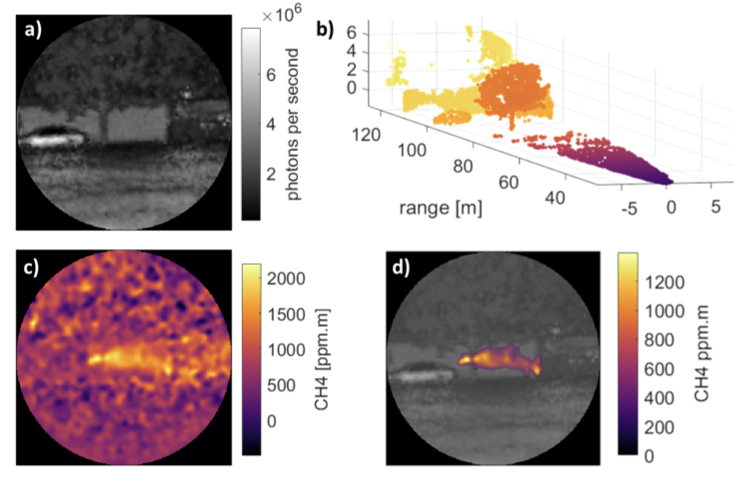
Repsol Sinopec REsources UK Ltd recently conducted a trial with SLB and QLM of our Quantum Gas Lidar technology at their Flotta terminal site off the coast of Scotland. Catherine Sherwin, Technology Lead of Repsol Sinopec Resources, who closely collaborated with us during the trial, had this to say: “Repsol Sinopec is committed to accurately measuring and quantifying our methane emissions and eager to assist in the development and trialing of new technologies in this area. We were delighted to host the successful trial of the methane lidar sensing system at Flotta terminal. Not only, we believe, did the trial provide QLM Technology Ltd and SLB with valuable information, but the results gained provided ourselves with detail on top-down methane emissions, and also afforded further reassurance that we are operating the Flotta terminal in a manner that prioritises the safety of our people and the environment.“ Below is an image from the trial: The diffuse emissions from an open-top effluent tank were able to have their flow rate quantified despite not appearing as a hot spot of methane concentration. Because the tank emissions are not from a point source, they appear as areas of higher and lower concentration across the image. The left image shows a colorized methane plume on grayscale lidar image. The right image shows corresponding distances to solid objects, measured by the lidar simultaneously with the lidar gas imagery. Read the full details and see more imagery here:

October 26, 2023

QLM Launches First Quantum Gas Lidar Product for Continuous Methane Emissions Monitoring

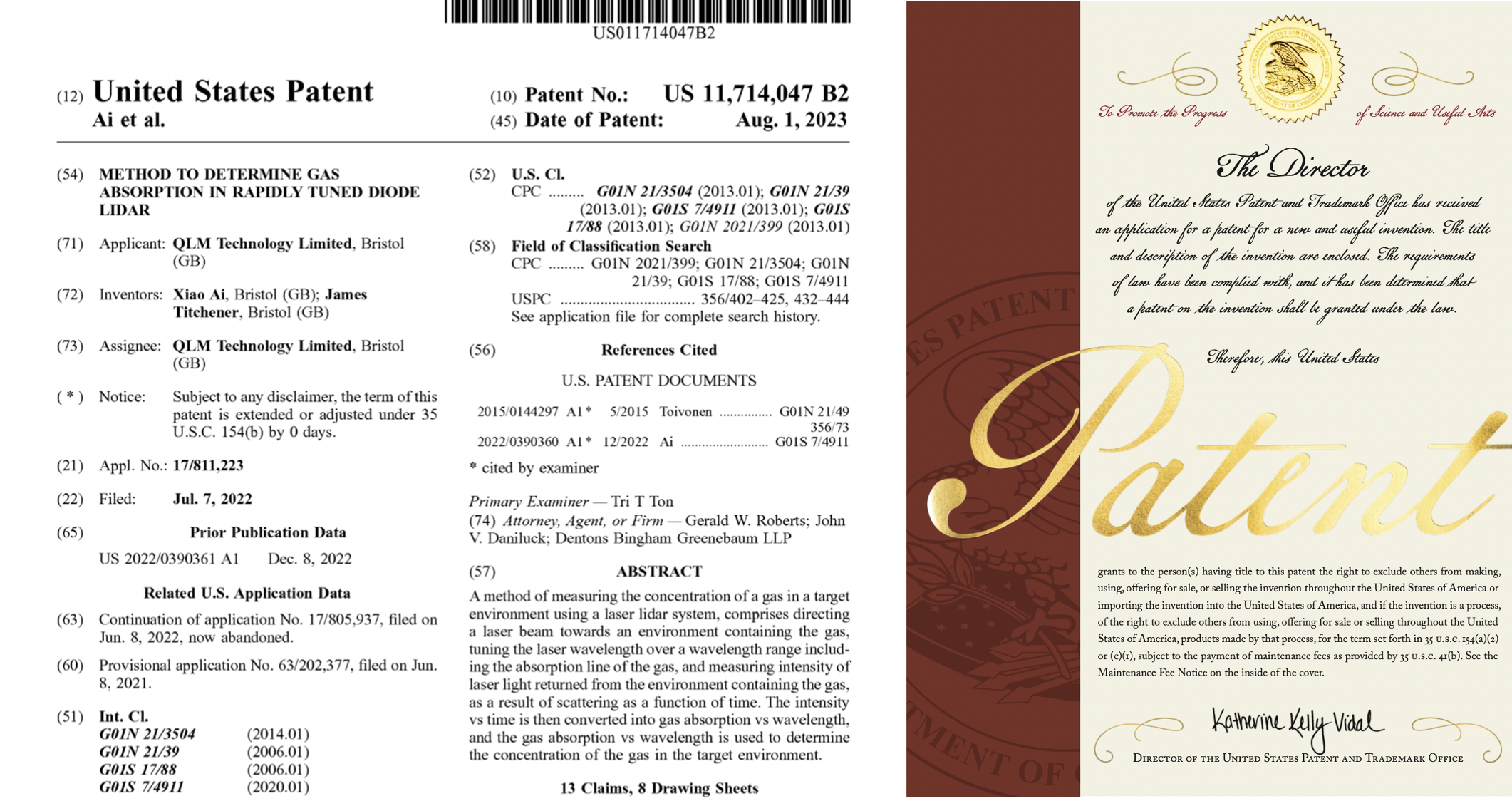
Cardiff, UK, July 17, 2023 — QLM Technology Ltd, developer of a revolutionary emissions measurement and quantification technology, has announced the commercial launch of both Quantum Gas Lidar and the QLM Cloud, an analytics platform for analyzing and managing associated emissions data. QLM’s patented Quantum Gas Lidar (QGL) is unique in the marketplace, combining leading-edge quantum photonics detection technology, telecom tunable lasers and robust lidar to achieve detailed, 360 degree images of equipment up to 200m away and any associated methane emissions, with exceptional accuracy. The resulting gas lidar images are analyzed and stored, and significant emissions events and related analysis are reported through the QLM Cloud. The combined solution of QGL hardware and QLM Cloud are offered as a Software-as-a-Service (SaaS) within which users can customize alerts and reports of emissions exceeding select thresholds. QLM’s Quantum Gas Lidar is also available through SLB, our partner for the oil & gas industry, as a part of their The newly-launched lidar incorporates QLM’s latest enhancements in quantification analytics and metrology, and has proven reliability and measurement accuracy in extreme environmental and operational conditions. The system has been certified for deployment around the world. Both US and UK patents have been granted around its core quantum technology architecture.QLM’s continuous monitoring solution detects emission sources and accurately quantifies their flow rates, locating them in 3D, so that the most consequential emitters can be prioritized and addressed.  The system provides a comprehensive, scalable, cost-effective continuous emissions management and reporting solution enabling customers to show achievement of ESG goals and compliance with OGMP 2.0 level 4/5, US EPA, PHMSA and other emerging regulatory reporting requirements.About QLM TechnologyQLM Technology Ltd is a UK-based photonics technology and analytics company with operations in England, Wales and California. QLM developed a unique, patented Quantum Gas Lidar that detects, visualizes, locates and accurately quantifies emission rates of greenhouse gases (GHGs), enabling customers to identify and cost-effectively remediate their largest emitters. QLM’s lidar technology is inherently scalable to low cost at high volume, enabling wide deployment. For more information, please visit: Media contact: Aaron Van Pelt, Chief Commercial Officer, marketing@qlmtec.com

July 16, 2023

QLM Quantum Gas Lidar Leads Industry in Independent Trials

 Cardiff, UK, June 29, 2023 — QLM Technology Ltd’s new Quantum Gas Lidar has recently demonstrated industry-leading performance at the Methane Technology Evaluation Center (METEC) at Colorado State University. METEC is a recognized world leader in realistic and rigorous field testing and independent validation of industrial natural gas leak detection technology. The METEC Advancing Development of Emissions Detection (ADED) trials consist of 3-month long continuous tests where equipment is required to identify, locate and quantify hundreds of individual, simulated emissions over a football field-sized area containing various gas industry equipment including wellheads, separators and storage tanks. QLM’s new methane monitoring solution was tested under the ADED blind testing protocol. It operated uninterrupted throughout the 81-day trial from 7 February to 28 April. It detected and quantified 264 individual methane leaks ranging in size from 0.05 to 7 kg/h, identifying 1.39 (75%) of the 1.85 tonnes of total trial emissions, at ranges from 10 to 80 meters, locating the leaks with a mean accuracy of 2.4 m and accurately quantifying them with a 1-sigma factor uncertainty of only 2x. Harsh weather conditions during the campaign included rain, fog, and heavy snowfall, temperatures from -27 to +27 °C and winds averaging 11 km/h, gusting over 100 km/h. We believe this performance is among the best ever demonstrated for any type of continuous methane monitoring technology and that the demonstrated performance will exceed the anticipated US EPA requirements for continuous monitoring solutions for fugitive emissions in the oil and natural gas industry. The QLM system is emerging as the gold standard for detecting, locating and quantifying fugitive and intermittent natural gas emissions.About QLM TechnologyQLM Technology Ltd is a UK-based photonics technology and analytics company with operations in England, Wales and California. QLM has developed a unique, patented Quantum Gas Lidar that can detect, visualize, locate and accurately quantify emission rates of greenhouse gases (GHGs), enabling customers to identify their largest GHG emitters for remediation in the most cost-effective manner. QLM’s lidar technology is inherently scalable to low cost at high volume, enabling wide deployment. For more information, please visit: Media contact: Aaron Van Pelt, Chief Commercial Officer,

June 29, 2023

QLM Recieves UKRI Funding Awards

QLM has received funding awards from UKRI – UK Research and Innovation – for four projects: AIR-SPAD, PASCAL and Q3MD, and UP-SENSE. This funding award is from a third round of funding for the “Commercialising Quantum Technology - Feasibility Studies”. This "PASCAL" project – 18-month, £500k, which started in October – is a collaboration with Aston University and RedWave Labs, exploiting the knowledge and experience of Aston University in fast photon counting using FPGA processing and the fast electronics design skills and photonics system expertise of RedWave Labs, combined with the quantum gas imaging technology pioneered by QLM. The project will develop a ‘Photon Absorption Spectroscopy Camera for Leaks’ (PASCAL) utilising detector arrays and ultra-fast photon counting and correlation to handle very high data rates in real-time, offering much faster scanning rates than current technology. The awarded ”Q3MD" project – 18-month, £500, which recently started – aims to develop a 3-micron wavelength quantum-sensitive detector using only solid-state cooling, to develop practical detectors for gas detection at longer (3µm) wavelengths. This project will use new materials combined with RedWave Labs’ control electronics, and solid-state cooling in innovate optoelectronics packaging developed by Bay Photonics, and QLM will evaluate the new detection capability for gas sensing applications. Methane and other target gases can be detected at much lower concentrations with spectroscopy in the 3µm region than at the near-IR 1.65µm used in commercial detectors. By applying QLM’s Quantum Gas Imaging techniques, we can extend our remote spectroscopy capabilities to increase the distance from which we can detect gases, and we can increase detection speeds. By accessing the 3µm spectral region, low concentration sensitivity could be increased up to 50-fold. In addition, we can expand the gas species and target other applications are that currently not addressable in the near-IR. The awarded ”UP-SENSE" project – 18-month, £500, which recently started – funds a new approach to greenhouse gas detection exploiting second-generation quantum technology. QLM aims to develop a new optical detection platform based on the quantum process of up-conversion of photons from short-wave infra-red (SWIR) to visible wavelengths, detecting light with efficient single-photon avalanche detectors.  The ‘UP-SENSE’ concept exploits novel waveguides in non-linear materials developed by Covesion and technical expertise from Fraunhofer UK’s Centre for Applied Photonics. Together, we will develop an optical sensing system based on strong gas scattering at longer-wavelength SWIR and photon up-conversion for more efficient detection at visible wavelengths, utilising modelling expertise from Bristol University to optimise sensitivity. The awarded "AIR-SPAD" project is a collaboration with Phlux Technology and The University of Sheffield to develop advances in single-photon avalanche detectors (SPADs) for the detection of methane, in applications where the implementation of quantum technology can make a real-world impact to help tackle climate change.

November 1, 2022

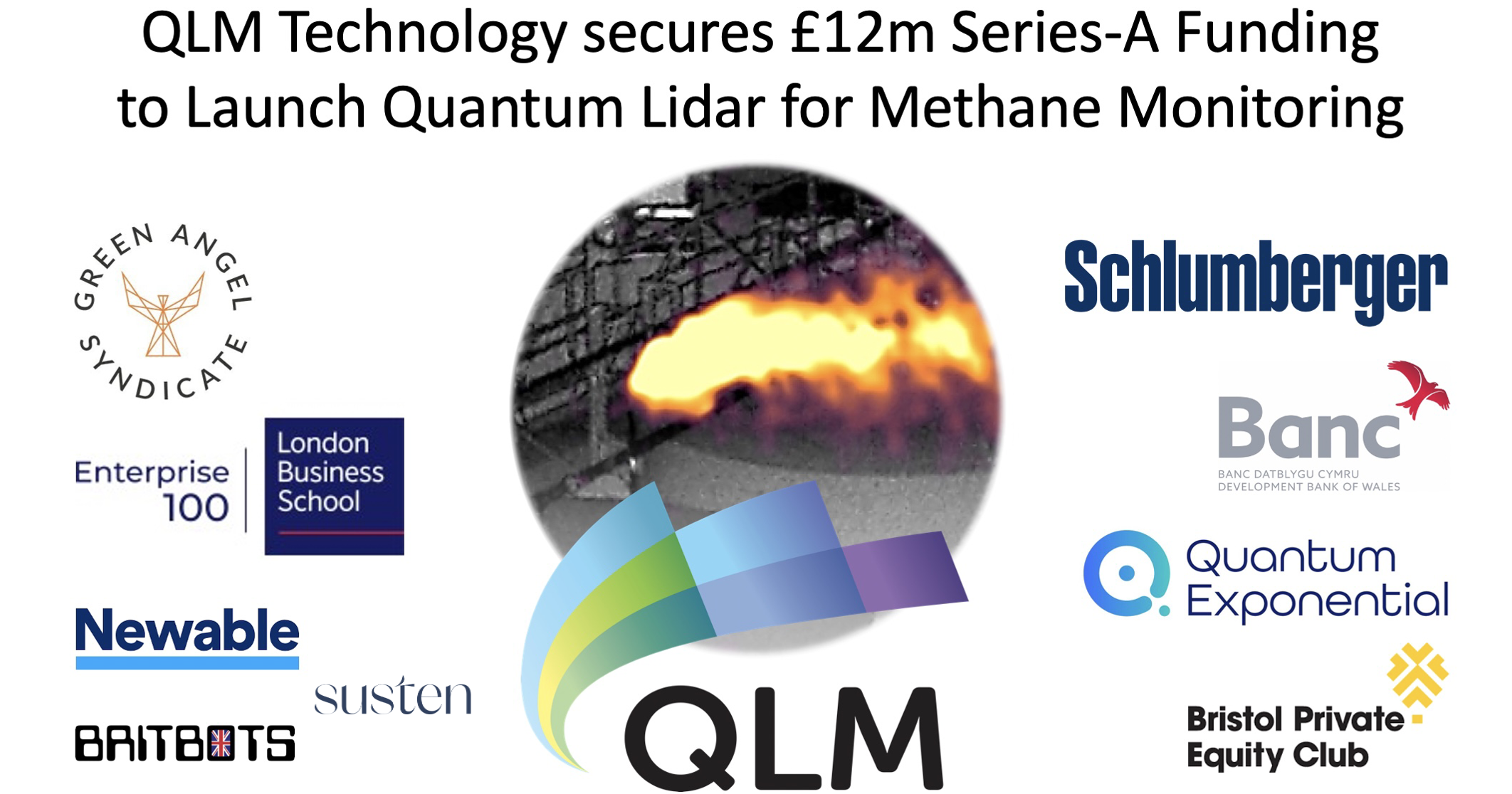
QLM Announces £12M Series-A Funding and Strategic Collaboration with Schlumberger to Advance Detection of Greenhouse Gas Emissions

Cardiff, UK, August 4, 2022—QLM Technology Ltd, a UK-based photonics technology company with headquarters in Cardiff and operations in Bristol and San Francisco, announces the closing of its Series-A funding and the signing of a Collaboration Agreement with Schlumberger. With support from Innovate UK, QLM has developed a new type of LiDAR (laser imaging, detection, and ranging) camera based on quantum technology that can see and accurately quantify greenhouse gas emissions. The gas imager enables customers to monitor, detect and accurately locate and quantify Greenhouse Gas (GHG) emission sources for rapid repair. A related version of the product enables remote quantification of flare efficiency.“The technology is unique in the emissions monitoring marketplace in its potential to achieve the greatest amount of GHG abatement at the lowest cost of ownership,” said Murray Reed, Chief Executive officer, QLM. “The funding and strategic relationship with our new lead investor, Schlumberger, and expanded backing of initial and new investors will allow us to scale our manufacturing, enabling significant cost reduction, as we launch our solution into the various GHG-intensive industries and markets.”Through the strategic collaboration, QLM’s technology will be part of the new Schlumberger End-to-end Emissions Solutions (SEES) business offering for the oil and gas industry. SEES’s methane monitoring offering is based on previous investments in satellite-, airplane-, and drone-mounted sensors, along with additional sensors developed internally. QLM’s differentiated LiDAR technology complements those mobile monitors by providing accurate and sensitive measurements where continuous monitoring is required. The ability to quantify flare efficiency will ensure optimal efficiency for flares that cannot yet be eliminated.“SEES selects partners following rigorous technical evaluation to identify innovative technology that complements our existing measurement solutions,” said Kahina Abdeli-Galinier, Emissions Business Director, Schlumberger. “The unique QLM LiDAR technology will allow operators to continuously monitor their facilities for methane emissions, and the technology is differentiated in its ability to detect even small emissions; to quantify emission rates accurately; to provide actionable information by locating the emission source precisely; and to fit upstream, midstream, and downstream facilities of all sizes.”Beyond emissions monitoring for the oil and gas market, the QLM solution is well-suited for use in tracking and reducing methane emissions in other applications such as in biogas production, at landfills, at wastewater treatment plants, and in coal mines.In addition to lead investment from Schlumberger, existing investors Green Angel Syndicate, Enterprise100 Syndicate, Development Bank of Wales, Newable Ventures, and several private investors joined in this round of funding, as well as new investors Quantum Exponential and Susten.About QLM TechnologyQLM is a UK-based photonics technology and analytics company with headquarters in Cardiff and operations in Bristol and San Francisco, formed in 2017 with support from Bristol University’s Quantum Technology Enterprise Centre. QLM developed a new type of gas imaging camera that combines LiDAR and gas absorption spectroscopy with single-photon detection. This novel imaging technology can detect, visualize, localize and accurately quantify emission rates of greenhouse gases (GHGs). The solution has demonstrated industry-leading quantification performance and enables customers in GHG-intensive industries to identify and prioritize the most consequential emitters for remediation in the most cost-effective manner. QLM’s LiDAR technology is inherently scalable to low cost at high volume, enabling wide deployment. For more information, please visit: .QLM Series A Investors• Schlumberger: • Enterprise100 Syndicate: • Green Angel Syndicate: • Development Bank of Wales: • Newable Ventures: • Quantum Exponential • Susten: Media contact: Aaron Van Pelt Chief Commercial Officer

August 4, 2022

QLM Expands UK Operation and Gains US Foothold

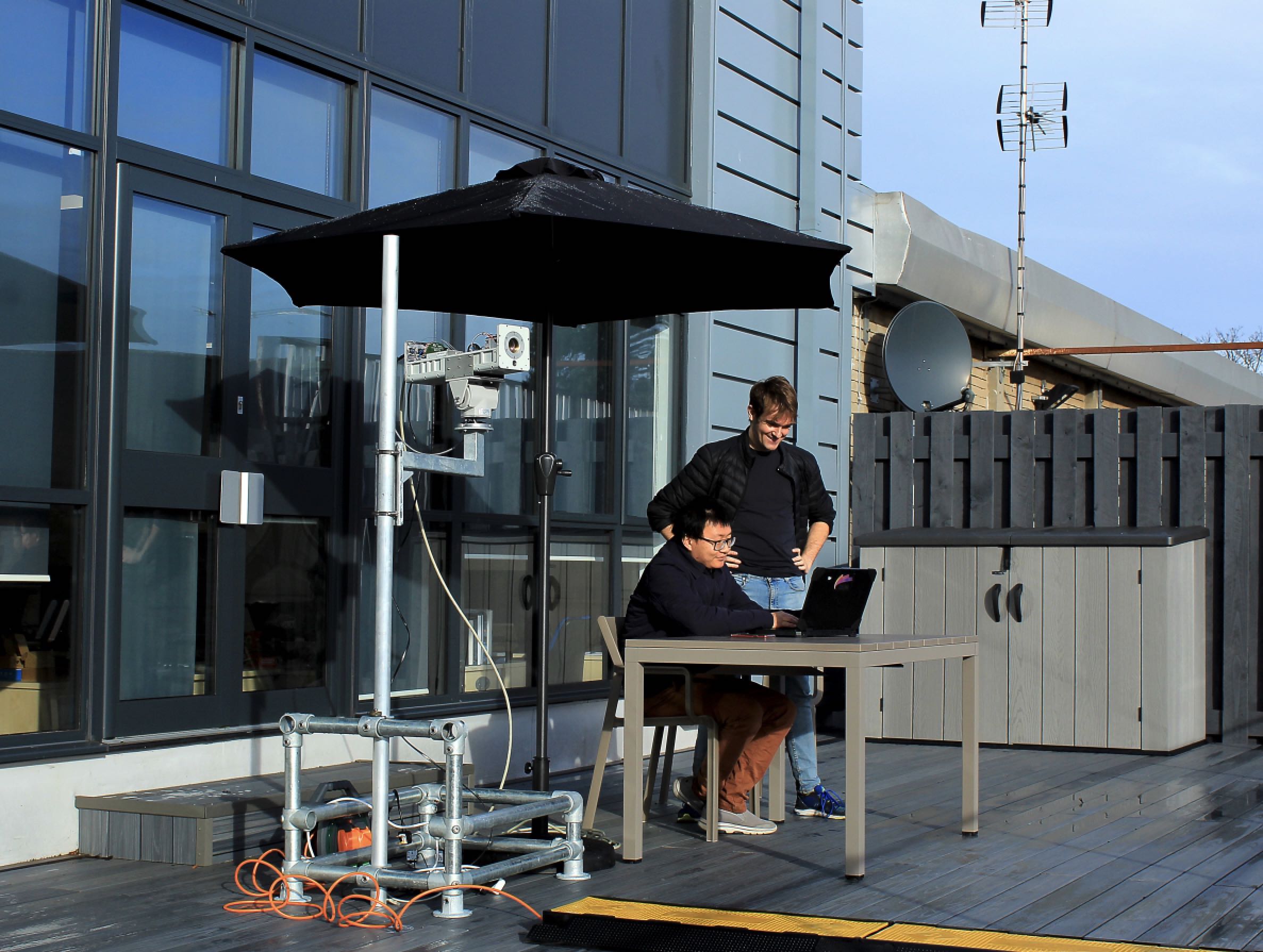
QLM’s new offices in Bristol are part of the HERE complex, a thriving business ecosystem in Brislington. As well as a major increase in office space, granting headroom for further expansion in the future, the new location has dedicated laboratory space for the continuing R&D program, and a balcony looking out over the city that has already been co-opted as an “outdoor laboratory”, verifying the quantum gas camera’s long-term robustness to the outdoors and complementing the ongoing in-house testing of the camera performance in varying environmental conditions.According to QLM CEO Murray Reed, expansion to the HERE offices represnts a crucial step in QLM’s commercial journey: “UnitDX was a great incubator but our HERE offices give us room to work closer together and to expand. They will form our Bristol R&D centre as we expand Test and Operations in Wales and our presence around the world”_______________An indication of the importance of the opportunities in measuring greenhouse gas emissions in US-based energy operations, and mindful of the time difference associated with supporting them from the UK, QLM has established a formal US entity with its incorporation in Delaware. The company’s incorporation paves the way for direct sales and support operations to be established once the company expands according to demand.Aaron Van Pelt, QLM’s US-based CCO, indicated the importance of US incorporation to the commercial growth of the company. “QLM is truly a global business with customers around the globe. Having a presence in the US is our first step at such global coverage and is critical since so much of our business will be here.”The expansion of premises is an indication of QLM’s growth ambitions, providing the space and facilities for staff numbers to grow with demand,

April 19, 2022

Successful Internship Leads to Permanent Position at QLM

Lauren joins QLM in her first role following completion of an MSci in Physics at Bristol University, adding to the strong R&D presence that drives the innovative technology behind the QLM quantum gas camera. Lauren originally joined as an intern in September, tasked with a specific research project based on image stabilisation. It was not long after that that her problem talent and attention to detail exceeded even the high standards of CTO Xiao Ai and Head of R&D Andrew Weld, and the decision was made to offer her a permanent position following the internship’s completion, to enable the excellent work to continue.Lauren said, “I really enjoy working at QLM because there is so much variety in my tasks and I have plenty of opportunity to learn from the talented people around me. Being a small company, I can also see where my work fits in and makes a difference. I hope to continue developing my skills as an R&D Engineer and potentially look to complete a PhD in the future!”QLM has a strong history with the University of Bristol, having been founded out of the University’s quantum technology accelerator QTEC in 2017, and the taking on of quality graduates from the Physics department comes as no surprise. CEO Murray Reed said, “Having new graduates work with QLM as interns is a good way to make sure we have a match. Lauren’s physics and electronics skills meant she was a great fit from day one and we are very happy to have her join our new mobile product development team to help us get flying on drones.”

December 15, 2021

QLM Successfully Trials Quantum Gas Camera At First Real-World Site

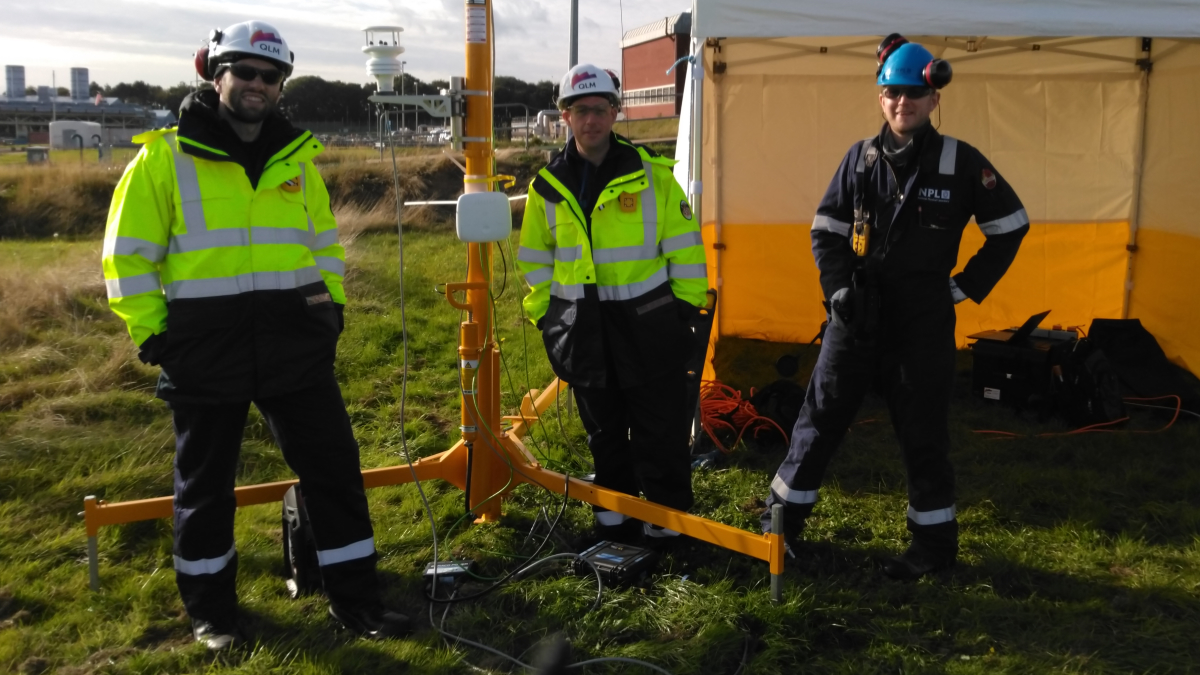
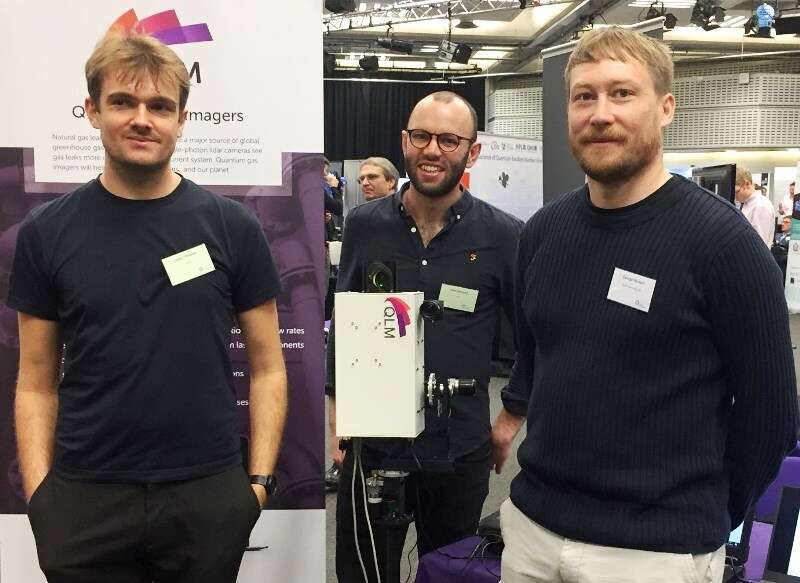
QLM Physicist Chris Goldsack (left) and Applications Manager Dr Doug Millington-Smith (centre), with NPL Senior Research Scientist Jon Hemore (right) at the Bacton site.The trial of the camera in a fixed emplacement at NGG’s Bacton terminal focused on surveying for leaks and quantifying emissions on a portion of the NGG site, while NPL carried out traditional walkover leak survey using industry standard methods of OGI and handheld “sniffers”. COP26 highlighted the need for more effective, comprehensive methods of emissions monitoring if the 1.5 °C target of the Paris Agreement was to be met, so the comparison between QLM’s continuous monitoring and the traditional snapshot-in-time study were of particular interest to NGG’s decarbonisation plans.The trial was highly successful for QLM, identifying and quantifying emission sources from assets confirmed to be leaking by NPL, as well as characterising highly temporally-resolved venting operations across the site, which took place at heights and over short durations that a walkover survey would not be able to catch and quantify. The trial also identified areas for the development of the next version of the camera, from automation and end-user flexibility points of view, which will lead to a continually improving product.Simon Smith, Operations Representative at NGG, said “As an operational site we are always keen to review new technology and see how it can be implemented into a live environment and improve safety on site. As well as the environmental impact with fugitive emissions we can also see a use for the camera during maintenance activities. We isolate large areas of plant to allow for assets to be inspected. To facilitate this we need to vent quantities of gas and ensure the ball valves providing the isolation are not passing. By using the camera we have been able to identify valves that were passing that would have previously gone unnoticed. We would be able to use this technology to monitor open vents and ensure the leak rate does not increase during intrusive works.”The SPLICE ConsortiumObserving the trial, Matthew Williams, SHE Assurance Engineer at NGG, said “It was great to see the QLM camera operating in real-world gas transmission environment for detecting and quantifying fugitive emissions. We are always looking for new innovative technology to improve our identification of fugitive leaks. This type of technology gives us the ability to continually monitor and work to reduce our fugitive emissions.”The trial took place under the Innovate UK-funded SPLICE project, and the results will be published as a report once comparisons between the methods are made and the results are fully analysed. QLM are immensely grateful to NGG for hosting and supporting the trial, and to NPL for providing crucial industrial validation of the quantum single photon detection technology by comparison with existing methods.

December 13, 2021

New Lidar Systems Engineer Strengthens QLM's Manufacturing and Test Operation

As QLM increasingly transitions from an R&D focus to a manufacturing operation, the need for dedicated system production and testing engineers with an understanding of manufacturing development is becoming ever more apparent. A few months out from the first truly commercial release of the camera, David is leveraging his fourteen years of expertise in the field of designing, building and testing optical devices for quantum technologies to bear at this crucial time.Following a PhD in Electronic Engineering at the University of Bristol, in which he developed a low cost, handheld quantum key distribution (QKD) system designed to lower the price of entry to quantum communication networks for the general public, David’s postdoctoral experience included working on the UKNQTP Quantum Communications Hub, further developing the low cost handheld QKD concept with academic and industrial collaborators, and designing and testing prototype optical systems for quantum communications nanosatellite missions. David will be collaborating with the growing manufacturing and engineering teams to help ensure the commercial release of the camera builds on the currently available trial prototypes, and sets further evolution of the quantum gas camera on a firm, commercialisable footing.David said, “The QLM quantum gas sensing camera is a really exciting technology, and I’m excited for the opportunity to get involved and help develop the product.”

December 7, 2021

QLM Adds Head of Electronics To Build on Commercial Readiness

The development of QLM’s manufacturing offering is increasingly important as we refine the design of our equipment to accommodate mass-market industrial scalability. Bringing electronics design in-house with a dedicated expert is a crucial step towards long-term self-sustainability, making it an excellent time for John to join the team and help drive the commercial design of the product forwards.John obtained his BEng in Electronic Engineering at Cardiff, before starting his career in the defence industry, developing hardware platforms for key management and secure communications systems. He then moved to a company developing optical fibre based acoustic sensing equipment for applications within the oil and gas, security and transport sectors, where he first met QLM’s CTO, Xiao Ai. Most recently, he has worked in the fire industry leading a multidisciplinary team developing certified alarm devices, detectors and systems for high volume manufacture. John will be collaborating with our Head of Manufacturing, Mark Walker, and Head of Engineering, Dr. Alex Dunning, as well as our external manufacturing partners and our R&D teams.John said, “I’m very excited to have the opportunity to join QLM and be part of a talented team working on such an innovative new product. The state of the art technology is a real draw for me, especially as it helps to address such an important real-world issue as emissions.”

October 13, 2021

New Head of R&D Expands QLM's Team

Andrew read Physics at Durham University, then obtained his PhD in optical sensing from the Optoelectronics Research Centre (ORC) at Southampton University. Andrew will work closely with our CTO, Dr Xiao Ai, and our Senior Scientist, Dr James Titchener, driving the continuous innovation in optical and photonics designs that has both underpinned QLM’s progress so far and remains crucial to its success in the future. He will also further formalise the strong links QLM enjoys with academic collaborators as part of the SPLICE project and other collaborative ventures.Andrew joins the team with over 15 years experience with optical sensor products, and a strong understanding of scaling business from the laboratory bench to commercial success, taking optical sensors from theoretical concepts through to commercial products. He was previously Head of Optical Research and Development at Sintela, responsible for developing optical hardware for Distributed Acoustic Sensing (DAS) in optical fibres.Andrew said, “I feel very privileged to join the exceptional team at QLM on their quest to tackle greenhouse gas emissions. As carbon capture and storage technologies evolve, the need for monitoring sequestration facilities, along with natural gas extraction and transmission infrastructure becomes ever more significant. QLM’s optical sensing technique offers an elegant, sensitive and affordable solution. I’m excited to work with the team to drive this technology forwards even further.”

October 1, 2021

QLM Wins Spot in 3rd Cohort of TechX Accelerator

The TechX Clean Energy Accelerator is an intensive 15-week programme for 12 innovative clean energy start-ups with clear potential to accelerate the transition to an affordable net zero energy industry. OGTC’s accelerator programme, TechX, celebrates the graduation of its third cohort of technology start-up Pioneers, the first to be done via a virtual programme. In 2020, TechX had to ‘pivot’ the Pioneer programme to digital delivery, transforming and adapting to a completely virtual format, with 12 companies successfully completing the 16-week programme, culminating in a ‘virtual graduation’, today, 26th November 2020.This year the programme saw over 150 applications across 37 countries from around the globe, culminating in 12 Pioneer companies being selected – eight via the global application round and four through the TechX Ventures programme – a partnership with Deep Science Ventures (DSV).This third cohort of Pioneers have developed disruptive and exciting technologies and each company has benefited from up to £100,000 investment with no equity take or payback required.With unprecedented access to potential customers, training and investor readiness coaching, as well as support from over 110 experienced mentors and forward-thinking business partners, the Pioneers have accelerated the development of their companies, validated their technologies directly with industry and built compelling business models.Read more at:

September 20, 2021

QLM Names Inzpire Limited as Partner of Choice for Remotely Piloted Aircraft System (RPAS) Methane Detection and Measurement Trials

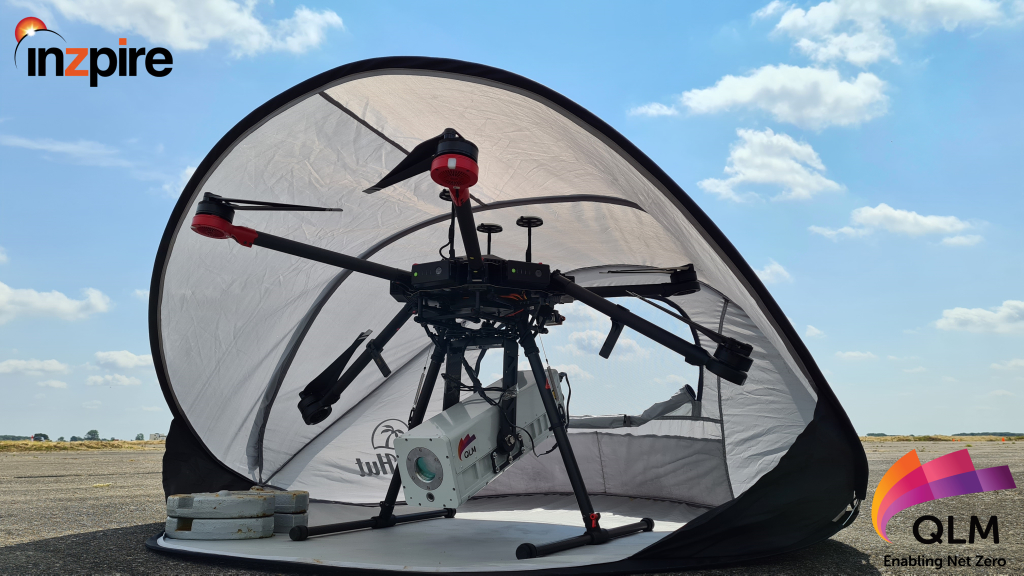
Inzpire’s Technical and Strategic Services Division will work with QLM Technology (QLM) to assess the ability of its new Light Detection and Imaging (Lidar) camera to detect and quantify methane emissions when mounted on an RPAS.The camera uses an eye-safe infrared semiconductor laser and single photon detection to count individual gas molecules from more than 150 metres away. Scanning the laser over the environment builds a 3D picture of objects and gas molecules, showing exactly where a leak is and how big it is.So far, Inzpire has provided expertise in a range of disciplines to the project including concepts of employment and requirements definition and management; development flight trials planning, management and execution; and the selection, procurement and operation of a suitable RPAS in order to operate the camera safely in an airborne environment.Initial trials on the equipment were conducted at Bedford Aerodrome in July 2021; in total, 48 flights were flown which provided positive and expected results. Further development trials are planned to enhance the capability in the future.The trials are supplementary to the Innovate UK Single Photon Lidar Imaging of Carbon Emissions (SPLICE) project being led by QLM. SPLICE is a 2-year project with multiple academic and industrial partners working to advance QLM’s gas visualisation solution to full commercial readiness.Jonny Priest, Inzpire’s director of operations said: “Inzpire is hugely excited to be working with QLM on this project, one that could revolutionise the management of methane leaks across many industries. Inzpire consistently seeks to find opportunities to use our expertise in order to support customers with innovative solutions. To be able to support this QLM project, which could have such a positive impact on the global challenge to minimise climate change, is extremely rewarding to us”.Murray Reed, CEO of QLM said, “Working with Inzpire will enable a new means of deploying our gas imaging solution for methane emissions monitoring. There are many areas of the oil and gas value chain where airborne inspections are already established as the best approach, and many more that will benefit from RPAS deployment. Inzpire’s proven expertise in deploying RPAS will enable our customers to conduct far more complete and regular inspection of their assets and help meet their critical gas emissions targets”. According to the , methane is the second most abundant greenhouse gas that is influenced by humans. In addition, it accounts for about 20 percent of global emissions and is more than 25 times as potent as carbon dioxide at trapping heat in the atmosphere. In its report published in August 2021, the stated the importance of methane emissions in short-term efforts to mitigate climate change, and that strong and sustained reductions in methane emissions would be crucial to achieving thisAs governments therefore continue to increase regulation and emissions monitoring requirements across industries, companies must be able to detect and measure accurately the extent of their methane gas emissions if they are to focus their efforts on reducing them. Sources of emission can be intermittent and widely distributed, meaning existing equipment is often not fit for purpose. QLM is seeking to meet industry requirements for more practical and effective approaches to detect and quantify emissions that are cost-efficient and which can be deployed at scale.Inzpire Limited Founded in 2005, Inzpire is a multi-award-winning supplier of advanced defence training, technical services and cutting-edge mission systems. The company is a trusted partner of the UK MOD and employs highly experienced former military personnel who work alongside defence engineers and business professionals to deliver operationally credible solutions to military, private and public sector customers. Find out more at .Inzpire Limited’s Technical and Strategic Services Operational Business Unit (OBU) Inzpire’s Technical and Strategic Services OBU has personnel embedded in UK service commands, delivery teams and MoD headquarters. They provide continuity, experience and technical knowledge that supports military output both in the UK and internationally.The OBU specialises in equipment capability development and assessment; integrated test, evaluation and acceptance plans; mission data; electronic warfare; and concept development to both military and civilian customers.QLM Technology Ltd QLM is a Bristol-based start-up which was created out of the desire to create opportunities for organisations to achieve Net Zero.The company was founded by CTO Xiao Ai as he carried out postgraduate research into single photon Lidar gas detection at the University of Bristol. Aware of the ever-growing need to understand comprehensively the extent of emissions of methane and other key greenhouse gases, he realised that his research could help enable organisations worldwide to achieve Net Zero through mitigation of greenhouse gas emissions.

September 7, 2021

QLM Expands Following Seed Round

Aaron Van Pelt – Chief Commercial OfficerAaron Van Pelt has joined the team as Chief Commercial Officer. The broad role encompasses responsibility for driving QLM’s commercial growth and go-to-market strategy and for leading business development, sales, marketing, product management, application engineering, and customer success.Aaron joins QLM from Picarro, where he was responsible for bringing to market an Advanced Leak Detection hardware-enabled analytics solution for natural gas distribution customers. His prior experience at PSI and New Focus in gas measurement and photonics is especially relevant to the problems QLM is solving for customers.Aaron said, “I’m so fortunate to join such a talented, driven team, working on solutions to the critical problem of reducing emissions. QLM’s solution quantifies fugitive emissions continuously, at scale and low cost, solving the problem of being blind to intermittent super emitters in oil & gas processing facilities.”Mark Walker – Head of ManufacturingMark Walker joins the team as QLM’s Head of Manufacturing, responsible for setting up and shaping QLM’s operations, and scaling up manufacturing capability as we push towards commercial scale production of the revolutionary quantum gas camera.Obtaining his BEng in materials sciences from the University of Bath, and following it up with an MBA from Southampton, Mark has gained over 25 years of experience in manufacturing and operations in the aerospace, oil and industrial sectors, with highlights including repair and overhaul of gas turbines for GE, new product development for oil drilling equipment for Schlumberger, and new product development of robotic vacuum cleaners for Dyson.Mark said, “This is an exciting opportunity to support this start-up company in all things operational and manufacturing, and to put in place the processes and people to industrialise this ground-breaking new product and technology.”Brian Kiernan – Senior Mechanical EngineerBrian Kiernan has joined QLM as senior mechanical engineer, taking responsibility for driving forward the design process from the current level (around TRL7) to the fully commercially ready units at TRL8 and above, and to ensure the manufacturability and mechanical robustness of the quantum gas camera ahead of its release.Brian earned a BA in Product Design from the University of Leeds in 1999, following this with a BSc at the University of Glamorgan, and has gained over 20 years R&D experience in the development of optical detection systems in high precision manufacturing environments.Brian said, “For me the pleasure is the challenge to do more with less, and with the development of the airborne system this will quite literally be the case as we strive to miniaturise the product.”

August 3, 2021

QLM Announces Successful Completion of Seed Round of Funding

The investment is led by the Green Angel Syndicate and includes the Enterprise100 syndicate, the Newable Venture Fund, the Development Bank of Wales, the Bristol Private Equity Club, the Britbots Seed Fund, and Houston-based oilfield technology solutions provider ChampionX. The multidisciplinary consortium of green investors, technology accelerators and oil and gas industry professionals shares QLM’s vision of enabling organisations to achieve Net Zero through mitigation of greenhouse gas emissions. The investment will drive the expansion of QLM’s technical and commercial capability, secure industrial validation of the unique quantum TDLidar technique, and provide a roadmap to commercial readiness of the revolutionary quantum gas camera.Dr Murray Reed, CEO at QLM, says: “This funding round will enable us to scale up our development and launch our business providing next-generation greenhouse gas monitoring. Our unique quantum Lidar is the right solution for the challenge of how to effectively measure industrial methane emissions, and meet the major commitments that the oil and gas majors have made to control their greenhouse gas emissions.Dr Bernard Bulkin, leader of the Green Angel investment and incoming QLM Chairman adds: “QLM has technology with great potential to substantially change what we know about industrial and environmental greenhouse emissions and help enable NetZero. I feel confident this seed round will allow the company to progress rapidly to the next level.¹ https://about.bnef.com/bnefpioneers/About QLM TechnologyQLM Technology was founded by its Chief Technical Officer, Xiao Ai, after postgraduate research into single photon Lidar gas detection at the University of Bristol. He realised that his research, in which a Lidar beam simultaneously probed both the shape and the concentration of plumes of methane, could help achieve Net Zero through mitigation of greenhouse gas emissions.The Quantum Technology Enterprise Centre at the university helped Xiao form QLM Technology Ltd in 2017. Dr Murray Reed, a photonics industry veteran with thirty years of experience commercialising cutting-edge technology in Silicon Valley, became CEO in June 2019.QLM collaborates with industry, government and academia. Innovate UK is the major financial backer of the Single Photon Lidar Imaging of Carbon Emissions (SPLICE) project which developed the quantum-enabled camera.  QLM continues to benefit from the expertise of the UK National Physical Laboratory.QLM Investors Green Angel Syndicate: https://greenangelsyndicate.com/ Enterprise100 Syndicate: https://enterprise100.co.uk/ Newable Venture Fund: https://investment.newable.co.uk/ Development Bank of Wales: https://developmentbank.wales/ Bristol Private Equity Club: http://www.bristolprivateequityclub.com/ Britbots Seed Fund: https://www.britbots.com/ ChampionX: https://www.championx.com/

April 16, 2021

Press release: QLM Develops Methane Imaging Camera Based on Quantum Technology

Supported by BP, National Grid, AMETEK Land, and the UK Government, the camera represents a step-change in measuring emissions of methane, the second most damaging greenhouse gas.The main obstacle to stopping leaks from well-heads, storage, and distribution sites is not knowing where and when they are happening and how much is escaping. Often, the largest emission events at these sites are unplanned, intermittent releases, and without continuous, in-situ monitoring, emissions measurements by any other means will provide erroneous emissions estimates that can be too high or too low depending on when periodic monitoring takes place. The quantum-enabled camera makes complete and continuous monitoring possible for the first time, identifying and quantifying emissions as they occur.Although the largest source of methane emissions is agriculture, responsible for around a quarter of all emissions, the second largest source is the energy sector. This includes emissions from coal, oil, natural gas and biofuels.QLM’s unique quantum sensor simultaneously visualises and quantifies emissions of methane.Murray Reed, CEO of QLM Technology, said: “Whilst the oil and gas majors have pledged to significantly reduce methane emissions in coming years, you can’t manage what you can’t measure; and no-one is measuring methane properly, continuously, and at scale.“The scale of the problem is enormous, with more than half a million active gas wells in North America alone, 2,000 offshore rigs and nearly 1,000 natural gas storage facilities worldwide.“In the UK alone, we have 24 pipeline compressor stations, which power long-distance natural gas pipes, and hundreds of above ground storage installations. All are leaking at some time.”The launch of the quantum camera comes ahead of the UK-hosted UN climate change summit, COP26, in Glasgow. This is expected to set new targets for reducing greenhouse gas emissions and will require accurate monitoring to be enforced. The quantum camera makes this possible.Quantum technologies exploit the principles of quantum mechanics, which is an understanding of sub-atomic particles, to create advances across industry. QLM’s quantum-enabled gas imaging Lidar camera is one of the first commercially-available products from the £1 billion UK National Quantum Technologies Programme.As a key part of the Programme, the Commercialising Quantum Technologies Challenge (supported by the Industrial Strategy Challenge Fund) has backed more than 80 businesses, including QLM Technology Ltd. Other ground-breaking products supported by the fund are due to be launched over the next 12 months.CTO Xiao Ai and Engineering Lead Alex Dunning with the Quantum Gas Camera from QLMExisting laser-based systems for methane quantification utilise complex and costly mirror arrays to reflect light in to a conventional detector. By contrast, the QLM product uses a quantum single photon avalanche detector (SPAD) which is so sensitive it can detect just a few photons of light and can therefore “see” gas without the need for a mirror.“With quantum technology, we have effectively made the whole world a mirror. This is a major breakthrough, and unlocks our ability to enable gas operators to limit the emission of gases, starting with methane, that are having such a devastating impact on our planet,” said Dr Reed.The quantum single-photon detection of the camera allows for gas plumes to be detected and measured over large physical distances. The first version of the camera, mounted on a mast, is available for commercial trial this year, and trials involving UAV-mounted cameras are scheduled to begin next year.In addition to being a significant source of pollution, the energy sector loses more than $30 billion worth of gas annually through accidental methane leaks from well-heads and pipelines.The growing use of natural gas, which is frequently a by-product of oil extraction, is compounding the problem. Methane is its main constituent, but is only a clean energy source when in storage or burned. If released into the atmosphere, it is 84 times more potent as a greenhouse gas than carbon dioxide.Scientists have estimated that if just 3.2 per cent of all methane gas brought above ground at a well leaks, rather than being burned to generate electricity, natural gas becomes worse for the climate than burning coal.There is particular concern that the fracking industry is now a major source of uncontrolled methane emissions.*It was estimated last year that 3.7 per cent of methane produced by fracking for oil in one area of Texas and New Mexico alone, the Permian basin, is being emitted, unburned, into the atmosphere.*** **QLM has been selected as one of 12 Bloomberg New Energy Futures (BNEF) Pioneers for 2021, from a pool of over 250 applicants.QLM Technology was founded by its Chief Technical Officer, Dr. Xiao Ai, after postgraduate research into single photon Lidar gas detection at the University of Bristol. He realised that his research, in which a Lidar beam simultaneously probed both the shape and the concentration of plumes of methane, could help achieve Net Zero through mitigation of greenhouse gas emissions.The Quantum Technology Enterprise Centre at the university helped Dr. Ai form QLM Technology Ltd in 2017. Dr. Murray Reed, a photonics industry veteran with thirty years of experience commercialising cutting-edge technology in Silicon Valley, became CEO in June 2019.QLM collaborates with industry, government and academia. Innovate UK is the major financial backer of the Single Photon Lidar Imaging of Carbon Emissions (SPLICE) project which developed the quantum-enabled camera. QLM continues to benefit from the expertise of the UK National Physical Laboratory.

April 9, 2021
QLM Named 2021 BloombergNEF Pioneer

Chosen from over 250 applications from 36 different countries, QLM is the only UK-based company featured among the Pioneers, who offer innovations in one of three major climate challenges:QLM’s revolutionary quantum gas camera is well-positioned to address the third challenge, with its unique ability to detect, visualise and quantify emissions of methane and other key greenhouse gases.  The quantum gas camera can help organisations achieve net zero through mitigation of emission sources.The publicity that is generated directly by the award and association with BloombergNEF, and QLM’s inclusion in the award cohort, serves as a strong indication of two key messages:First, it acknowledges that continuous, autonomous monitoring of emissions is industrially relevant now and in the future.  Current emissions detection methods, involving walk-over studies using optical gas imaging (OGI) cameras, and handheld “sniffers”, are expensive, slow and labour-intensive; more importantly, they are also intermittent. If a leak develops in a piece of equipment the day after the survey is completed, it continues until the following survey, which can incur months of additional emissions. Intermittent surveys by mobile, airborne or satellite technologies have the same limitation. Continuous monitoring has been seen as the theoretical answer to this for some time, but no technique thus far has offered the combination of simultaneous detection, localisation, quantification and reporting on a continuous basis that industry requires.  The award recognises that this solution is now a reality.Second, the award acknowledges that QLM is ideally positioned to meet the industrial demands of continuous monitoring.  Any widely-adopted continuous solution has to be affordable, industrially scalable and environmentally robust.  QLM’s compact and easily-deployable quantum gas camera has achieved this in a form factor that is suitable for scale-up of production when the demand arises.QLM is set to change the way emissions of methane and key greenhouse gases are monitored and quantified at the facility scale, enabling organisations to achieve net zero through effective mitigation. The endorsement of BloombergNEF shows that the energy industry is beginning to recognize the necessity of continuous monitoring, and that QLM is ideally posed to solve this problem.Read more about the BNEF Pioneers program on their blog: https://about.bnef.com/blog/twelve-climate-innovators-chosen-as-2021-bnef-pioneers/

April 8, 2021
QLM Publishes Technology White Paper

The comprehensive paper provides an overview of the current need for continuous emissions monitoring, and reviews in brief the array of continuous solutions that are pushing to corner the market, including networked point sensors, open path spectrometers, and OGI and GCI cameras, summarising the advantages and disadvantages of each. It then introduces and discusses in detail the quantum single photon detection technique underpinning the SPLICE project, explaining how the Lidar and SPAD combine to visualise and quantify the shape and concentration of the detected gas, and summarising the key advantages this method holds over the alternatives.  Finally, it discusses some of the results generated in field trials of the prototype equipment over the course of the last year, and suggests where improvements will be made for the commercial product due for release this year.The publication of the paper is a pivotal moment in the delivery of the SPLICE project’s vision for commercialisation of QLM’s technology, taking what has been achieved so far and presenting it as a comprehensive story. It represents a transition from describing what the quantum gas camera does to explaining how it does it, grounding the camera in the traceable scientific understanding and not only presenting the results, but offering a rigorous investigation of them and highlighting where improvements are going to come.Further papers are planned, drawing comparisons between the results obtained by the prototype and those generated by the commercial release of the camera, and documenting the validation procedure used to assess the industrially relevant parameters of linearity, repeatability, intrinsic uncertainty and others against traceable standards. These will follow over the course of the SPLICE project, and reinforce the scientific introduction provided by the first publication. The white paper is available on the QLM website.

February 16, 2021

QLM “Vision For The Future” Goes Live

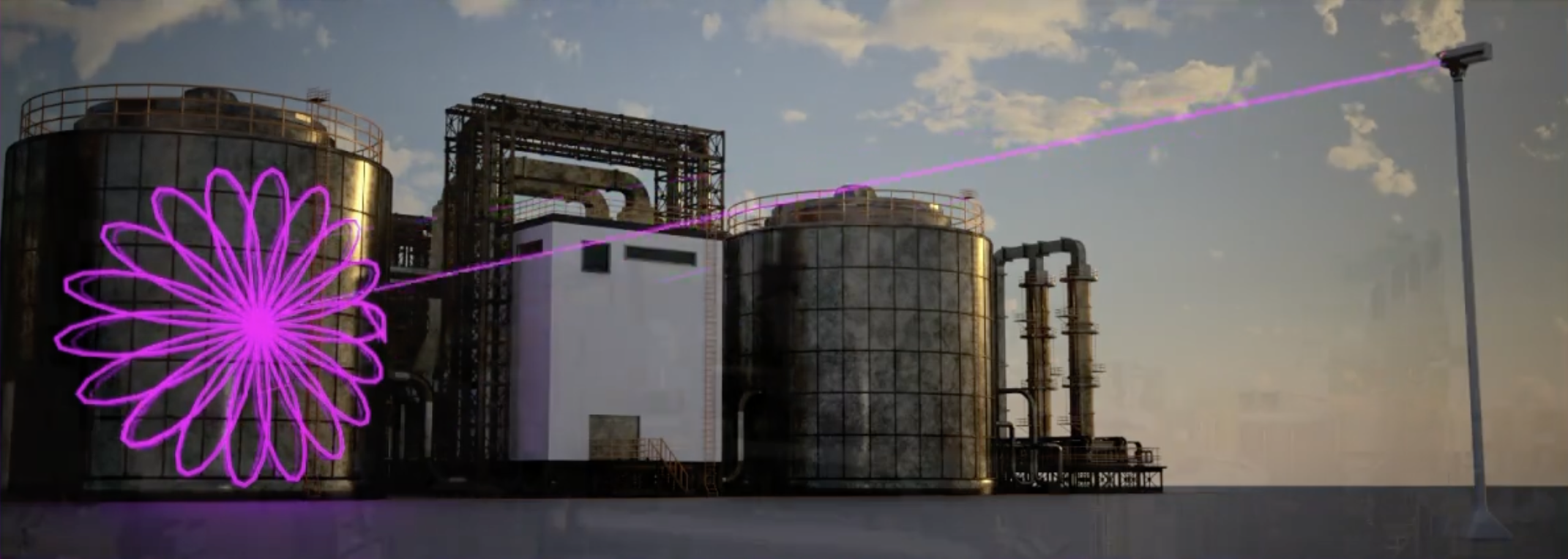
The cameras are mounted high, looking down on the area, using either infrastructure, land or sea as a background against which to work, giving the system the flexibility to operate both onshore and offshore.The cameras scan the area using the LiDAR beam in a pattern delivering wide area coverage in a short space of time, building up a point cloud of observations. As methane is detected and the camera focuses on the emission, the accuracy and precision of the measured flow rate increases as a function of time, informing the operator exactly where they need to carry out a leak repair operation, and with what degree of urgency.As well as unplanned fugitive emissions, the camera also monitors planned emissions at exhausts and vents, either from its fixed emplacement (provided it still has a background against which to measure), or from mobile airborne or handheld platforms that are being developed for the second iteration of the SPLICE project’s output over the course of the project.The cameras will constitute a lightweight, accurate, low-cost solution, that is simple for a user to operate and generates results that are just as simple for them to interpret, and implement in their emissions monitoring and mitigation strategy.The animation demonstrates the concept on a gas processing facility, but the same monitoring capability could just as easily be used on a biomethane facility, a landfill or landfill gas-to-energy project, or anywhere that has the requirement to monitor and quantify emissions of methane.The recent TechX program, administered by the , constituted an intensive training program for QLM and the other small businesses within the cohort, and was designed to mentor and better prepare the startups for interaction with the multinational oil and gas market. The program not involved introductions, but training on accounting, sales techniques, pitching, and marketing and media relations. The program culminated on November 25-26th, with a two day session in which QLM was able to pitch to potential investors on the 25th and to the wider oil and gas industry on the 26th. The meetings were very productive, generating considerable interest in addition to the business traction the program had granted during its course. The SPLICE project benefits from the training and mentorship provided to QLM by TechX, and we wish all in the Cohort every success in the future.

November 30, 2020

SPLICE-ing it Together With The CSA Catapult

The SPLICE project enables the combined expertise of a wide range of experts to be brought to bear on the challenge of delivering QLM’s revolutionary quantum gas camera to the market. In this article, Jolyon De Freitas, Technical Lead for the Compound Semiconductor Applications Catapult on the SPLICE project, explains how CSAC is making the whole far greater than the sum of its parts. Contact Jolyon at jolyon.defreitas@csa.catapult.org.uk. Fig. 1. CSA Catapult is supporting industry via its MCIV concept underpinned by a strong cross-domain expertise.The CSA Catapult is a high-tech innovation facility focused on helping UK industry exploit the advances made in compound semiconductor (CS) technologies. It brings to industry its MCIV concept – Modelling, Characterisation, Integration and Validation (Fig. 1). These are underpinned by four major pillars: Advanced Packaging; the Design Studio; RF, Power and Photonics Domain CS expertise; and an Evaluation laboratory. The CSA Catapult has been providing the SPLICE consortium, and to date its Lead partner QLM, with modelling, characterisation and validation capabilities for their quantum gas sensing technology. SPLICE seeks to develop low-cost, high resolution instrumentation that provides 4D (3 spatial dimensions and time) images of gas leakages and plumes based on single photon gas detection quantum techniques. Using the latest innovation in LiDAR technologies, the instrumentation will be able to identify and map out the movement of trace gases across refineries, industrial gas production facilities and environmental sites. This technology will significantly improve the management and reduction of any negative environmental impact of leakage and trace gases from a Regulatory perspective.Working hand in hand with the CSA Catapult, QLM were able to characterise and validate their compound semiconductor laser source for CO₂ gas absorption spectral lines utilising one of our wideband (300nm to 1700nm), picometre resolution spectrometers.Fig. 2. SPAD characterisation can help the user better understand the capabilities of the device.While this calibration exercise has been a success, detecting single photons in the short-wave infrared (SWIR, typically 900nm to 1700nm) can be problematic [1]. To be able to detect SWIR photons having lower energies than those in the visible spectrum, requires complex bandgap engineering techniques [2]. The most common photon counting detectors for the SWIR range are Indium Gallium Arsenide/Indium Phosphide (i.e. InGaAs/InP-based) single photon avalanche detectors (popularly known as SPADs) [1,3]. However, photon counting is bedevilled by relatively high dark count rates (DCRs), afterpulsing and in general, low photon detection efficiencies (PDEs). These are quite similar to those seen in traditional vacuum-based photomultiplier tubes (PMTs) [4,5].The Catapult has therefore developed a SPAD Testbed and is working with QLM to characterise this type of emerging quantum detection technology. Measurements include, for example, DCR, PDE, timing resolution, I-V characteristics and their dependence on temperature. The lab facility is fitted with a number of modern equipment around high-resolution (~50ps) time-correlated single photon counting (TCSPC) hardware and software. The Testbed is expected to be used to characterise SWIR SPADs being designed and fabricated later in the SPLICE programme.The CSA Catapult is also tackling a number of other R&D questions on the SPLICE programme. These include, for example, what other gases of industrial and environmental relevance might we bring to bear on this new quantum technology, and what is the nature of failure in certain photonic components.As such, the Catapult continues to tie strong bundles – effectively SPLICE-ing it together with industry to achieve a stronger, more competitive UK economy.[1] J Zhang, M Itzler, H Zbinden, J-W Pan (2015) Advances in InGaAs/InP single-photon detector systems for quantum communications. Light: Science & Applications 4 e286[2] P Christol, J-B Rodriguez (2014) Progress on Type-II InAs/GaSb superlattice (T2SL) infrared photodetector: from MWIR to VLWIR spectral domains. International Conference on Space Optics — ICSO 2014, (Ed.) Zoran Sodnik, Nikos Karafolas, Bruno Cugny, Proc. of SPIE Vol. 10563, 105632C[3] K Linga, Y Yevtukhov, BLiang (2009) Near Infrared Single Photon Avalanche Detector with Negative Feedback and Self Quenching. Proc. SPIE 7419, Infrared Systems and Photoelectronic Technology IV, 74190O (27 August 2009); doi: 10.1117/12.826908[4] A Tosi, A Dalla Mora, F Zappa, S Cova, Sergio (2007) Germanium and InGaAs/InP SPADs for Single-Photon Detection in the Near-Infrared. Advanced Photon Counting Techniques II, Wolfgang Becker (Ed), Proc. Of SPIE Vol. 6771, 67710P doi: 10.1117/12.734961[5] Photomultiplier Tubes, 3a Edition, 2007. Hamamatsu Photonics K.K. Ch. 4Jolyon De Freitas is the Technical Lead for CSA Catapult on the SPLICE project.

October 28, 2020

Bay Photonics Collaborates with QLM

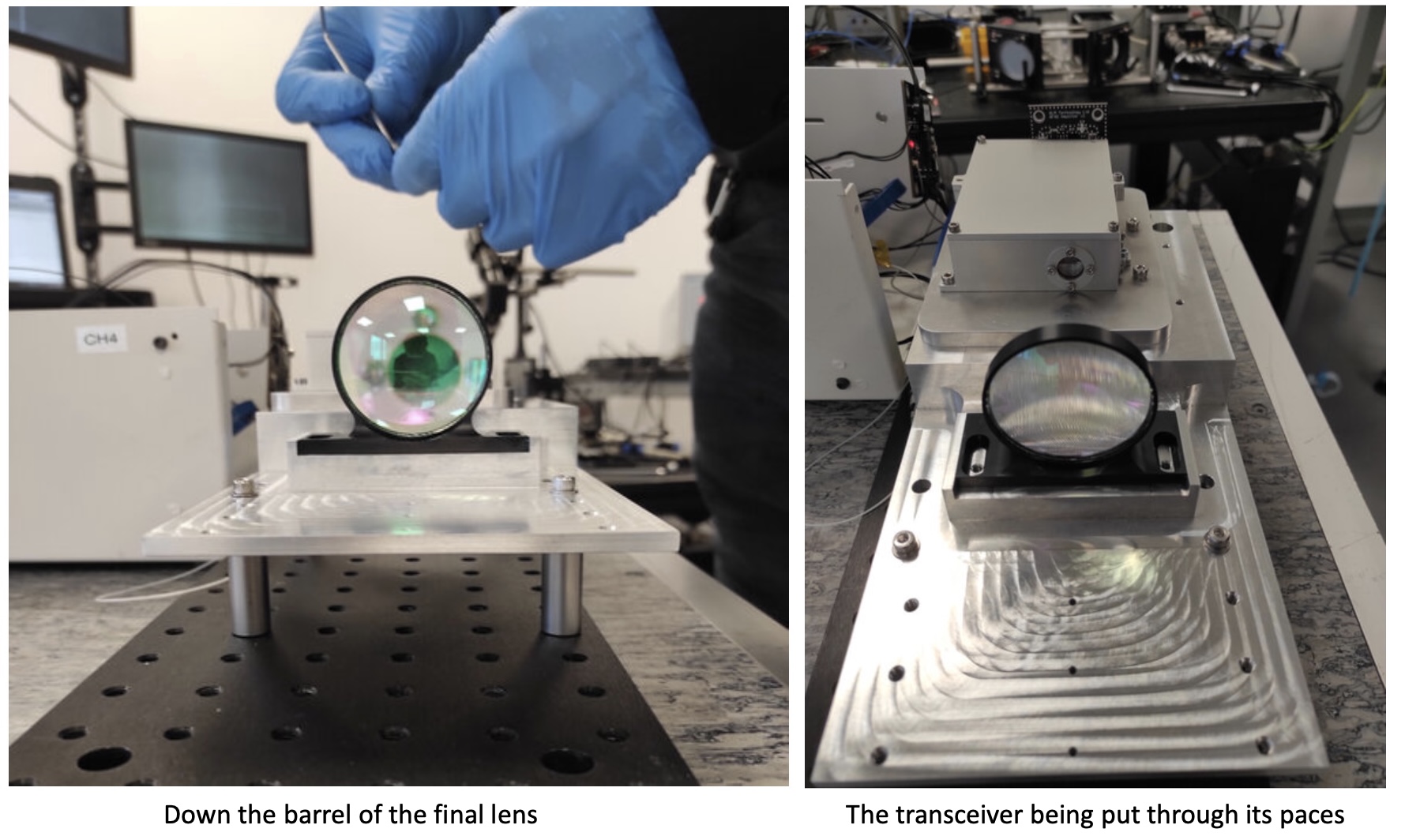
Alex and James traveled down to Paignton earlier this month – taking care to remain safe at all times, of course – to visit Bay’s site and to carry out work on the build/test rig that has been designed solely for the purposes of the transceiver development.The transceiver incorporates the majority of the optical components of the camera, including the laser source itself, mirrors, lenses, and the novel single-photon avalanche detector (SPAD) that catches the returning scattered light. The previous design had all the classic traits of a laboratory prototype – it was large, it had a degree of complexity, and it made use of some bespoke components. The new design not only serves to miniaturise the transceiver while simplifying what is inside the box, but also makes use of off-the-shelf components where at all possible. Using readily available components not only helps to future-proof the equipment, but also to ensure that the lead time remains low, which will be crucial as the project proceeds towards the equipment being manufactured in bulk.Bay Photonics’ considerable expertise in the area of optical design and manufacture makes the otherwise exceptionally complicated task of rightsizing and rationalising a complex transceiver unit seem simple – which, of course, it is anything but. Before any form of manufacture could begin, the design had to be stripped down and re-imagined on a much smaller chassis, incorporating all of the functionality of the larger unit but in a fraction of the space. From that design, the bespoke build and test rig could be assembled, and this in turn enables lens positioning and alignment, laser characterisation, and performance analysis of the completed units. As a result, every transceiver is lovingly handled from the loose components through assembly, testing, and all the way through to acceptance of the completed unit.With still so long to run in the project, the relationship between QLM and Bay Photonics looks set to produce multiple ground-breaking evolutions of gas sensing lidar equipment. Each of these has the potential, when combined with the other expertly produced parts of the camera system, to revolutionise the gas sensing capabilities of one user or another. If the quality of the work is as consistent as Bay’s, and there is no reason to believe it won’t be, there will be a lot of revolution to go round.

September 25, 2020

QLM Team Grows With New Additions

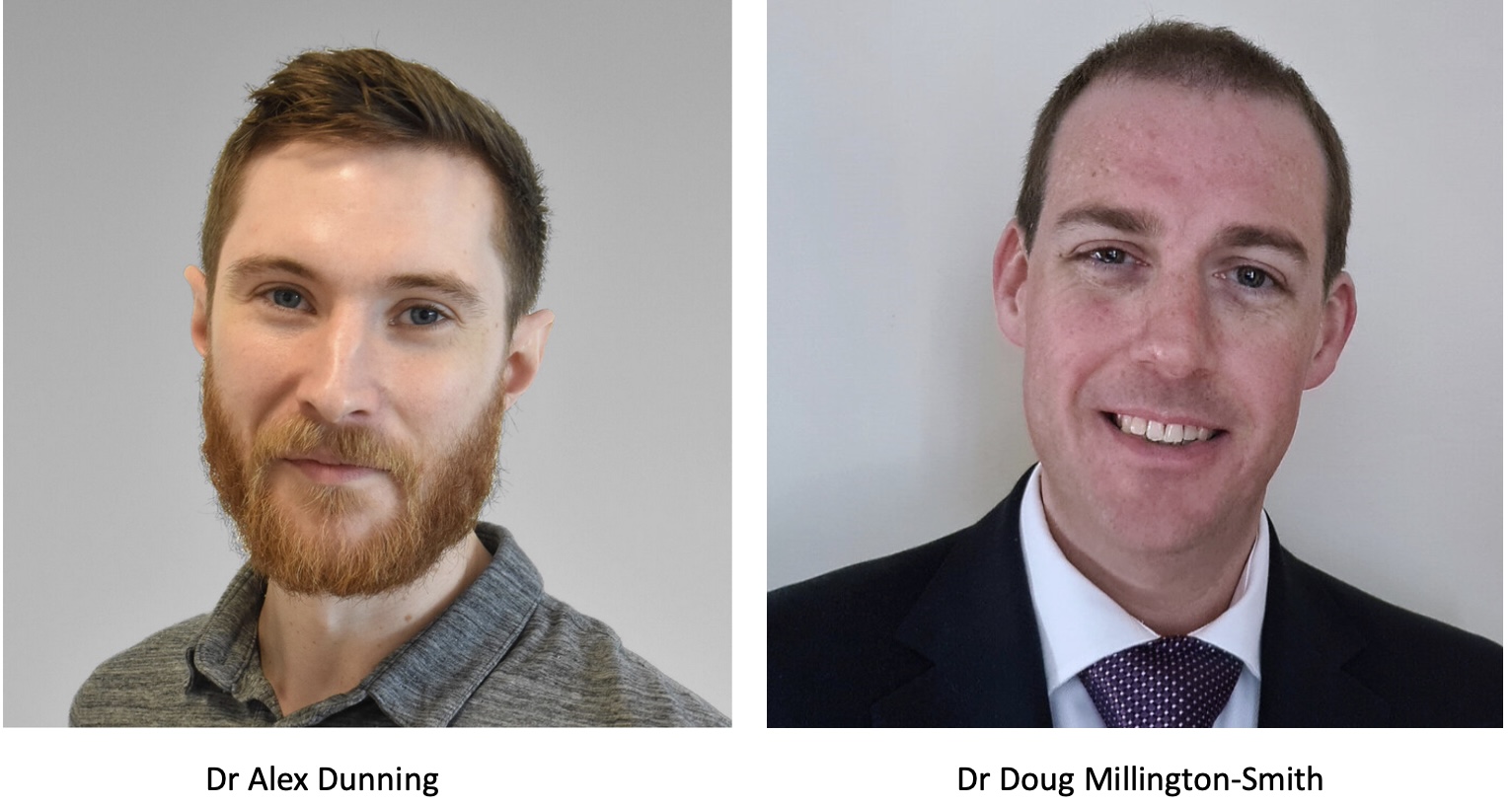
Dr Alexander Dunning, Head of EngineeringDr Alex Dunning joins QLM as Head of Engineering, to lead systems design and new product introduction. A systems engineer with a background in quantum and optical physics, Alex has been heavily involved with QLM’s gas sensing technology since the beginning of the SPRINGS project in 2018.Alex earned a PhD in Optical, Atomic & Molecular Physics from the University of Southampton in 2014. He followed up with a post-doc at UCLA, and has spent the past 5 years in industry R&D roles, mastering and advancing leading-edge technology with a focus on optical physics and engineering.Alex said, “I love developing this technology – it challenges us to bring together precision photonics, elegant optomechanical designs, streamlined software, and powerful industrial hardware into a product serving a worthy cause.”Dr Doug Millington-Smith joins the commercial team as Applications Manager, responsible for customer engagement, application prospecting and long-term business growth. Doug returns to Bristol after seventeen years away, having earned his degree in chemistry at the university in 2003, before obtaining a PhD in chemistry at the University of Bath. Doug has been operating at the technical-commercial interface for seven years in and around Oxfordshire and Gloucestershire.Dr Doug Millington-Smith, Applications ManagerDoug said, “The role of the applications manager is to be an expert on the equipment to the point that you can intrinsically see if and how it can be applied to a customer’s unique combination of circumstances. It is to be able to act as an interface between customer needs and technical knowhow, speaking the relevant language of both and translating between the two so they do not have to.”Doug will also be handling marketing and communications for QLM’s team, as they grow towards the full commercial offering over the course of the project.

August 13, 2020

Project Vision

Gas Leak Detection inspections today are expensive and time consuming, requiring skilled operators to painstakingly cover every part of a facility, and then follow up with quantification equipment on the leaks identified by the initial investigation. Worse than this, however, they also only produce a snapshot in time of the facility they are investigating. Leaks are captured as they are occurring at the time of the survey. If an otherwise leaking component happens not to leak that day, or a previously good component is running leak-free for the last time, these can lead to false negatives and underreporting of methane emissions, which will be missed until the next LDAR operation in three-, six-, or even twelve months’ time. There has to be a better solution for LDAR operations than this.What is required is a continuous, preferably autonomous, monitoring solution. Sites would be monitored twenty-four hours a day, seven days a week, by automated systems that can detect, localise, quantify and track the evolution of methane leaks and immediately report them to plant operators. Leaks would be identified straight away, whenever they occur, without the need to wait for the next scheduled survey. This would allow for rational decisions to be made about which leaks to prioritise, and on which schedule. Health and safety on-plant is improved, product loss is reduced, more accurate methane budgets are reported to regulators, and the environment benefits as a result.This is the future that QLM’s quantum gas sensing camera can offer to oil and gas operators. A simple, robust platform that can scan for methane (and other greenhouse gas) emissions on a continuous basis, and reports its findings to a site safety system on a near real-time basis. Walkaround studies need no longer be carried out site wide, and can be directed by the findings of the monitoring system to repair leaks as and when they occur. Vents and planned emissions can be tracked to quantify the amount of methane lost per release, allowing for more efficient scheduling.The SPLICE project is the first step toward this vision, developing an industrial gas imager that can measure accurately and exactly what is there, but it is not the whole story. In future, software should not only be able to indicate when methane has been discovered, but it should be able to reason within the scope of the methane leak patterns it has learned at the site. A control system that opens vents or schedules flares when necessary can send a signal to the system and direct its attention to the release event about to occur. The software can review multiple leak events it has found, rationalise them against what has been seen before, and identify new or increasing leaks as a priority over those already known. With machine learning algorithms improving all of the time, this is not a vision of the far future. The software processing capability is already there, and needs only to be directed to continuously scan a plant to begin the learning process.QLM has plans beyond SPLICE to develop a truly intelligent gas-monitoring system, but that starts with SPLICE, the two-year development of a highly sensitive, long range,and robust gas imager that can locate and quantify gas emissions anywhere it can sees. Between QLM, Bay Photonics, and STL Tech, who are developing our quantum gas imager instrument and user interface, NPL, who will be validating the metrology, and BP, Ametek, and National Grid, who will provide test sites for field trials, and the host of other consortium members making vital contributions to the camera development, the SPLICE project will be the proving ground that will generate, test and launch the power of the quantum gas sensor into the gas industry. This will be a triumphant success story in and of itself, but will just be the start of the journey to a fully intelligent and autonomous system, rather than the final destination.

July 15, 2020

Consortium Announcement

Each member of the consortium contributes unique expertise and experience. STL Tech and Bay Photonics will contribute systems and software design and manufacture to QLM’s core engineering, supported by Compound Semiconductor Applications Catapult and building on the ongoing expert research of partners at Aston University, the University of Bristol and the University of Sheffield.Industrial partners BP, Ametek Land and the National Grid will collaborate on trialling the equipment in multiple types of application environment, demonstrating the robustness and versatility of the system that has been created. Throughout, the National Physical Laboratory, specifically the Emissions and Atmospheric Metrology Group, will provide validation of performance and comparative metrology, proving equivalency or better to existing gas sensing techniques on a fully characterised and understood instrument.Innovate UK, a branch of UK Research & Innovation, take the lead in project backing, and further support is provided by QTEC, Bristol’s Quantum Technology Enterprise Centre, as well as UKRI’s Industry Strategy Challenge Fund and Glasgow University’s QuantIC quantum technology hub. The project will fund research and development, field trials, production optimisation and commercial presentations, by the end of which the camera and accessories will be fully available to the oil and gas professionals and environmental scientists, enabling a disruptive change to the way methane and carbon dioxide levels are monitored at the facility scale.Murray Reed, CEO of QLM, said “This project is the crucial next step in taking quantum technology developed at the University into worldwide industrial application and the support from Innovate UK for first building and now launching our consortium has been absolutely outstanding.”Join us on our journey, as we go from a prototype camera to a full commercial offering, and see how SPLICE can revolutionise the way gas emissions are monitored, reported, and crucially, mitigated as the world transitions towards a net-zero future.

June 12, 2020

The Details

Learn more about the core technology